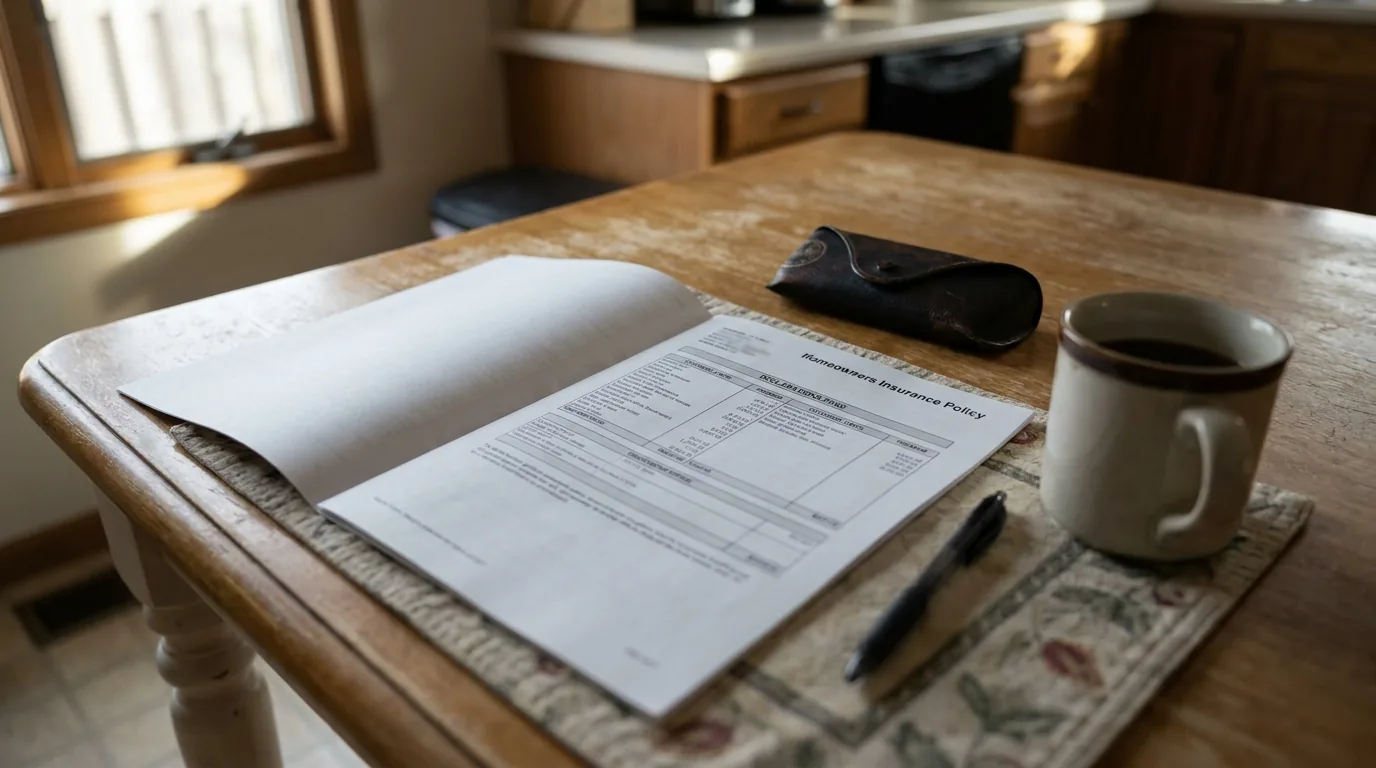
More Southern California homeowners are on a FAIR Plan policy than ever, and most have not read what it actually covers. The difference matters enormously once there is a claim.
Over the last several years, a steadily growing number of homeowners in the hills and wildland interface areas of Riverside, San Bernardino, Orange, and San Diego counties have been non-renewed by their carrier and have ended up on the California FAIR Plan. Many of them treat it as a replacement for the policy they lost. It is not, and the difference becomes very concrete at the moment there is damage to repair.
This is not legal or coverage advice, and we are not your adjuster. It is what we have learned from working claims alongside homeowners, and it is worth knowing before you need it rather than after.
What the FAIR Plan is
The California FAIR Plan is an insurance pool created under state law and made up of the licensed property insurers doing business in California. It exists to provide basic property insurance to people who cannot obtain it in the ordinary market. It is not a state agency and it is not taxpayer-funded — it is the industry's shared backstop, and it is explicitly a last resort rather than a competitor.
Because of that role, it offers a deliberately narrow product. The core FAIR Plan policy is a dwelling fire policy. Fire, lightning, internal explosion, and smoke are the perils it is built around.
What a basic FAIR Plan policy generally does not include
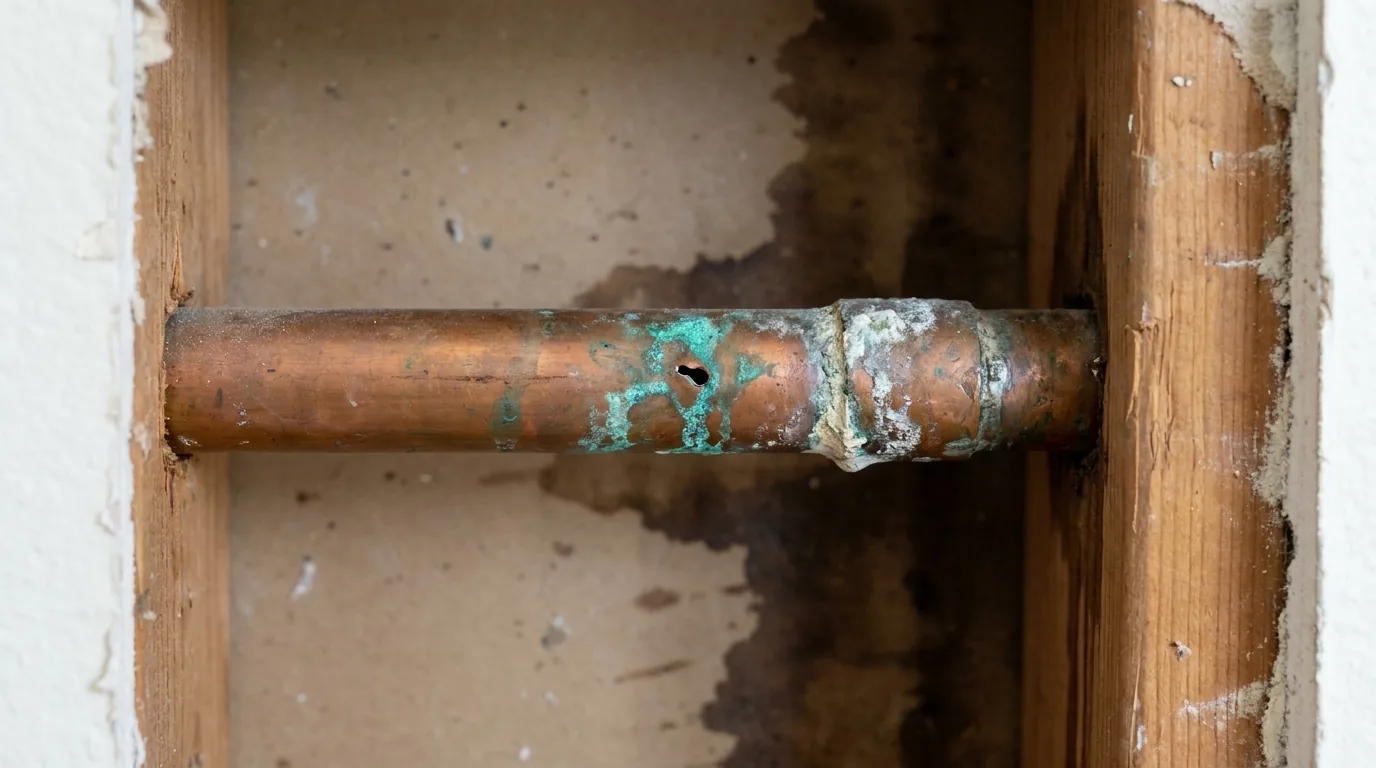
- Water damage from plumbing failures, appliance discharge, or a burst pipe
- Personal liability — someone injured on your property
- Theft
- Falling objects and similar perils a standard homeowners form includes
- In many cases, the broader additional coverages homeowners assume are standard
That first line is the one that catches people. A homeowner with FAIR Plan coverage and a failed water heater may have no coverage for the resulting damage at all — not because of a dispute, but because the peril is simply not on the policy. It is also the single most common residential loss there is, which we covered in water heater failure.
The DIC policy is the other half, and it is easy to skip
The standard way this is handled is to pair the FAIR Plan dwelling fire policy with a Difference in Conditions policy from the voluntary market. The DIC fills in what the FAIR Plan leaves out — water damage, liability, theft, and the rest of the coverages a conventional homeowners policy bundles together.
Two policies, two premiums, two sets of paperwork, and two deductibles. When a homeowner is placed on the FAIR Plan in a hurry — often at a renewal deadline or a close of escrow — the DIC is the piece that gets deferred and then forgotten. If you are on a FAIR Plan policy, the question worth answering this week is whether you have a DIC policy in force and what it covers.
Where FAIR Plan claims get complicated after a fire
| Issue | Why It Comes Up | What Helps |
|---|---|---|
| Smoke damage without structural burn | The residue is real but invisible; scope gets argued | Documented residue findings, including inside the HVAC system |
| Coverage limits versus rebuild cost | Policy limits may not track current construction costs | Reviewing limits annually, before a loss |
| Additional living expenses | Availability and amount vary by policy form | Reading the declarations page and asking the broker directly |
| Contents | Valuation and inventory expectations are demanding | A room-by-room photo inventory made before the loss |
| Overlap between FAIR Plan and DIC | Two carriers, and a cause of loss that touches both | Notifying both and letting them sort out allocation |
The smoke row is the one that affects the most households, because for every home destroyed in a wildfire there are many more that are contaminated. Smoke damage claims turn almost entirely on evidence — what residue was found, where, and what it takes to remove it. That is a documentation problem before it is a cleaning problem, and it is why smoke clean-up work should start with assessment rather than with equipment.
Six things to do before fire season rather than during it
- Read your declarations page. Not the policy — the declarations page. It lists your dwelling limit, your deductibles, and whether you have a separate wildfire or named-peril deductible.
- Confirm whether you have a DIC policy. If you are on the FAIR Plan and the answer is no, call your broker.
- Check that your dwelling limit reflects what it would cost to rebuild today, including code upgrades. Construction costs in Southern California have moved considerably.
- Confirm what additional living expense coverage you have and for how long. In a widespread event, rental availability tightens immediately and the duration matters more than the daily rate.
- Build a contents inventory. Walk the house with your phone, open every closet and cabinet, and store the video off-site or in the cloud.
- Photograph the exterior and the defensible space work you have done. It documents condition and it can matter to eligibility.
What to do in the first week of a claim
Mitigation is your obligation under essentially every property policy — you are expected to prevent further damage, and reasonable mitigation costs are generally recoverable. That obligation does not wait for an adjuster's visit, and emergency mitigation does not require prior approval.
In practice that means securing the property, stopping ongoing damage, and documenting everything before anything is moved or cleaned. It also means you choose your own contractor. Your carrier can recommend one and cannot require one, which we covered in can your insurance company make you use their contractor.
If you disagree with the carrier on scope or amount, most policies include an appraisal provision, and the California Department of Insurance accepts consumer complaints and publishes claim-handling guidance. Those are real avenues and they work better when you have documentation from day one.
Frequently asked questions
- Is the California FAIR Plan government insurance?
- No. It is an association of the licensed property insurers doing business in California, created under state law to provide basic coverage to people who cannot get it in the ordinary market. It is not a state agency and is not funded by taxpayers.
- Does the FAIR Plan cover water damage?
- The basic FAIR Plan dwelling fire policy is built around fire, lightning, internal explosion, and smoke, and generally does not cover water damage from plumbing or appliance failures. Water damage is normally picked up by a companion Difference in Conditions policy. Check your own declarations page rather than assuming either way.
- Does it cover smoke damage if my house did not burn?
- Smoke is a named peril on the policy, so smoke damage is generally within scope. The common friction is not coverage but extent — how much cleaning, how much contents restoration, and whether the HVAC system is included. Thorough documentation of residue found is what moves that conversation.
- Can I go back to a regular insurer later?
- Yes. The FAIR Plan is intended as temporary coverage, and brokers generally re-shop the voluntary market at renewal. Mitigation work on your property — defensible space, a Class A roof, ember-resistant vents — can affect what the market will offer you.
- Do I need flood coverage too?
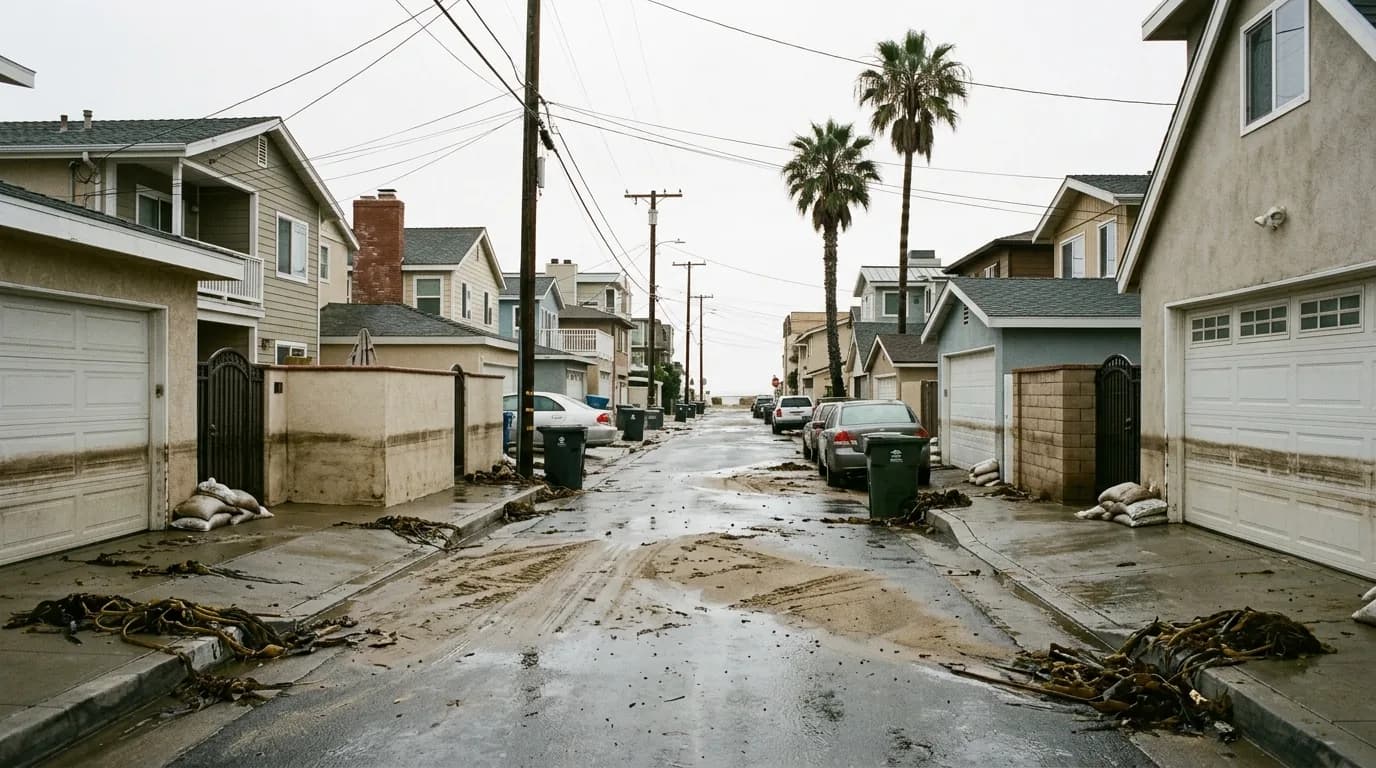
- Flood is excluded from essentially all homeowners and FAIR Plan policies and requires separate NFIP or private flood coverage. Burn scars substantially increase debris flow and flooding risk downslope for years after a fire, which is a real consideration for anyone below a recently burned hillside.
On the restoration side
Gallagher Restoration Co. works FAIR Plan and conventional claims across Riverside, San Bernardino, Orange, and San Diego counties. We provide written scopes, daily moisture and condition documentation, and direct carrier billing, and we handle both mitigation and rebuild so there is one accountable party. Family-owned for more than 15 years, IICRC-trained, CSLB #1061640. Call (951) 541-0034 or request an assessment.
This article is general information about California property insurance practice, not legal or coverage advice. Your policy language, endorsements, and specific circumstances control.