
SoCal winters are mild — but rain, wind, and colder temps still cause real damage. Eight practical steps to winterize your Southern California home.
Southern California winters are mellow compared to other parts of the country, but the season still brings colder temperatures, rain, and occasional high winds. Preparing your home for the season prevents costly damage and keeps your family safe and comfortable. Below are eight practical steps to winterize your home for SoCal weather.
1. Inspect and clean gutters
Clogged gutters cause water to pool on the roof or overflow near the foundation, leading to leaks, mold, and structural issues.
- Clear leaves, dirt, and debris from gutters and downspouts.
- Ensure downspouts direct water away from your home's foundation.
- Check for damage or sagging and repair if necessary.
Tip: install gutter guards to reduce debris buildup and make future winter prep easier.
2. Seal windows and doors
Gaps around windows and doors let heat escape, increase heating costs, and reduce indoor comfort.
- Inspect windows and doors for gaps or cracks.
- Apply caulking on the exterior and weatherstripping on doors.
- Consider upgrading old windows to energy-efficient models.
3. Check your roof for damage
Even small roof issues let water seep in, causing leaks, mold, or structural damage during winter rains.
- Look for missing or damaged shingles, cracked flashing, or rusted spots.
- Check the attic for visible leaks or water stains.
- Hire a professional to address repairs and confirm the roof is winter-ready.
4. Trim nearby trees
Winter windstorms break branches; falling branches damage roofs, windows, and power lines.
- Prune branches that overhang your roof, windows, or power lines.
- Trim back dead or weakened branches.
- Hire a certified arborist for large or hard-to-reach work.
5. Test smoke and carbon monoxide detectors
Winter means more indoor heating, which raises the risk of fire and carbon monoxide exposure. Working detectors save lives.
- Press the test button on every smoke and CO detector in the house.
- Replace batteries and set a monthly reminder to test.
- Replace detectors older than 10 years.
6. Inspect plumbing and insulate pipes
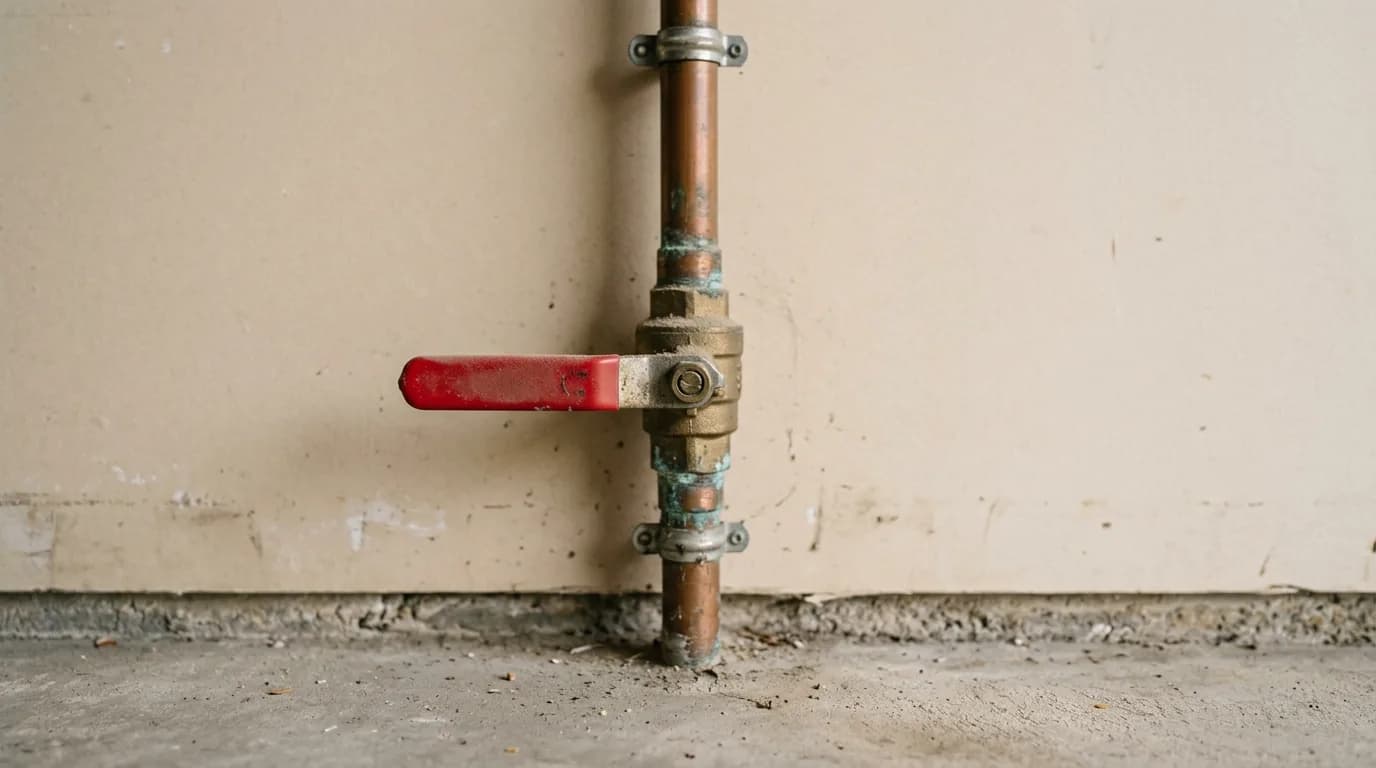
Freezing is rare in SoCal, but exposed or uninsulated pipes are still at risk in cold snaps.
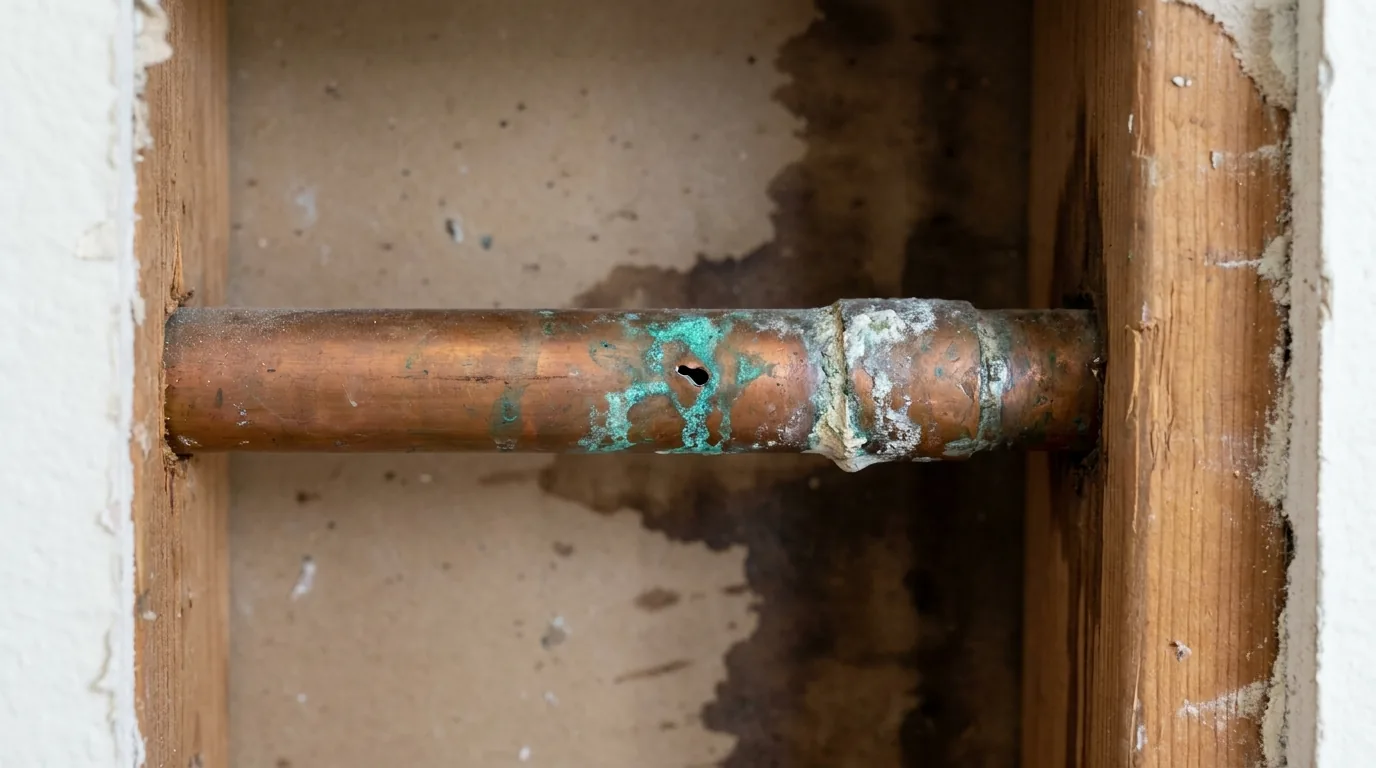
- Inspect visible pipes for leaks, especially outdoor ones.
- Insulate pipes in unheated areas like garages or attics.
- Disconnect garden hoses and shut off outdoor faucets if they're not freeze-proof.
7. Prepare for heavy rain with proper drainage
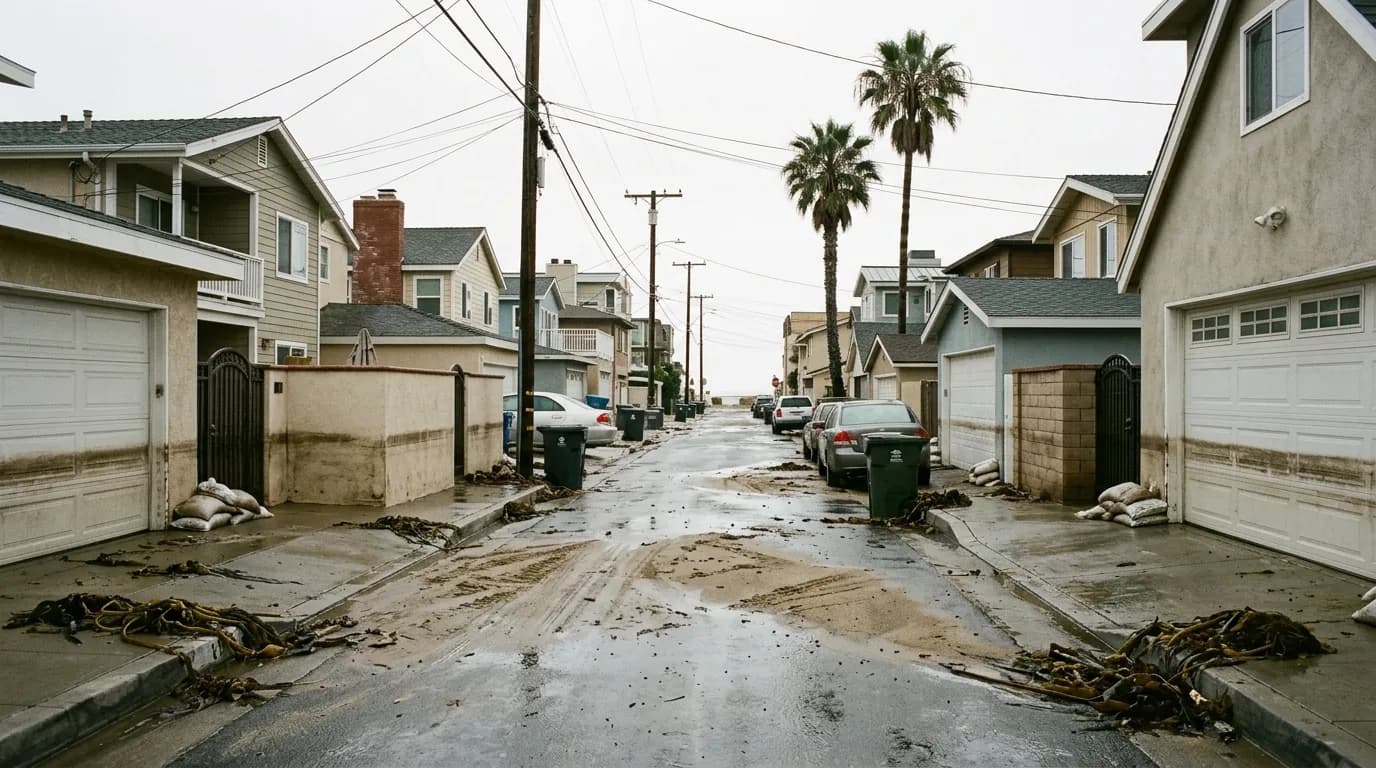
Southern California's winter rains can lead to localized flooding, especially when compacted soil around the home can't absorb the water fast enough.
- Grade soil around your home to ensure water flows away from the foundation.
- Check that yard drains and French drains are clear of blockages.
- Place sandbags where water has pooled or seeped in during past storms.
8. Have an emergency kit ready
Power outages and storms happen even in SoCal. Basic supplies on hand keep the family safe.
- Stock flashlights, batteries, blankets, first-aid supplies, non-perishable food, and water.
- Prepare a plan for family members and pets in case of evacuation.
- Keep the kit in a designated, easily accessible location.
- Include a list of emergency contacts — including a restoration company that specializes in storm damage.