Water/By Aaron Gallagher/
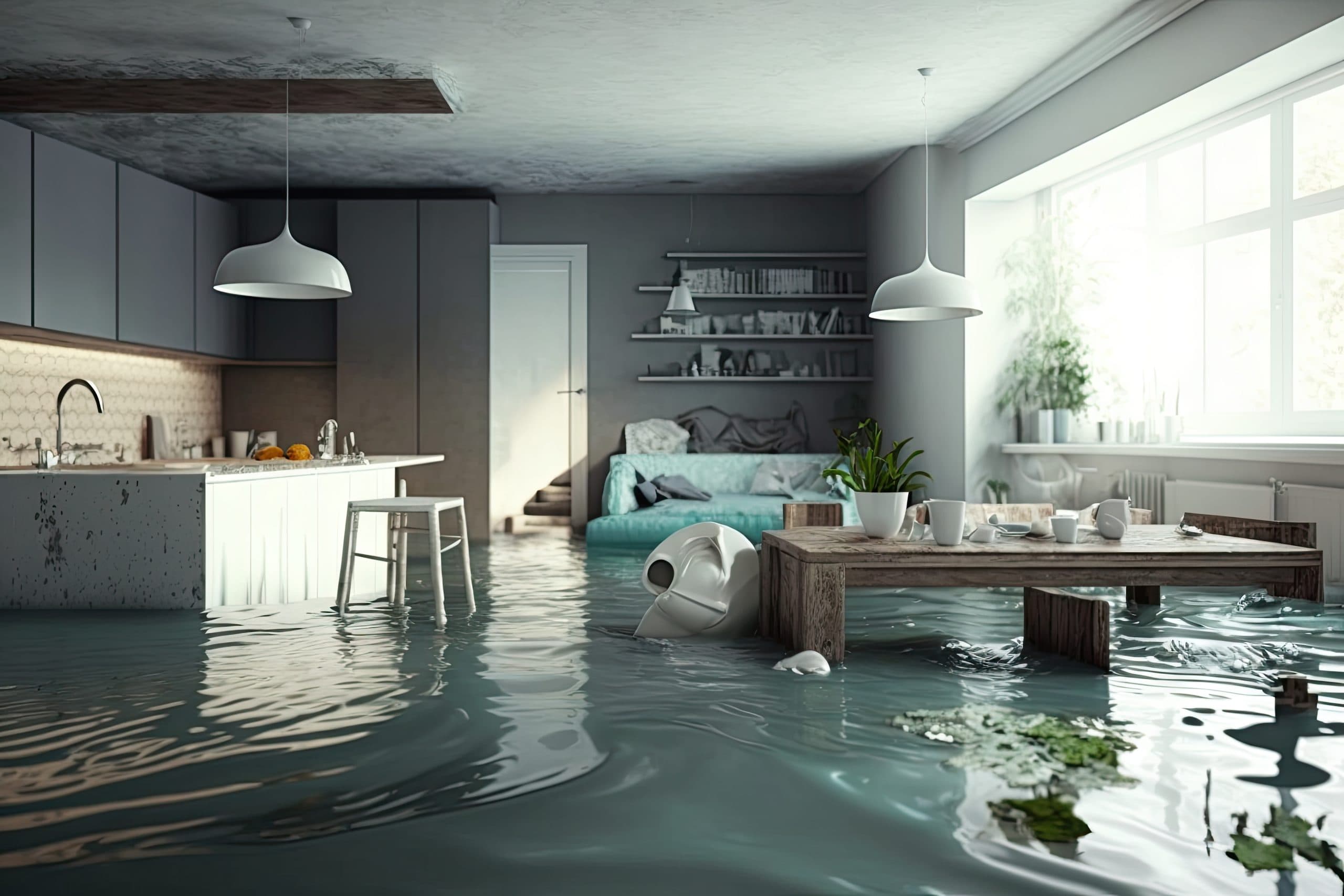
A homeowner's introduction to water damage — how it starts, why it spreads fast, and what a professional restoration process actually looks like.
Understanding water damage: what homeowners need to know
Water is essential for life — and one of the most common ways a home gets damaged. Whether it comes from a burst pipe, a leaky roof, or a storm, water damage is an issue every homeowner should understand well enough to protect their property and family.
Causes of water damage
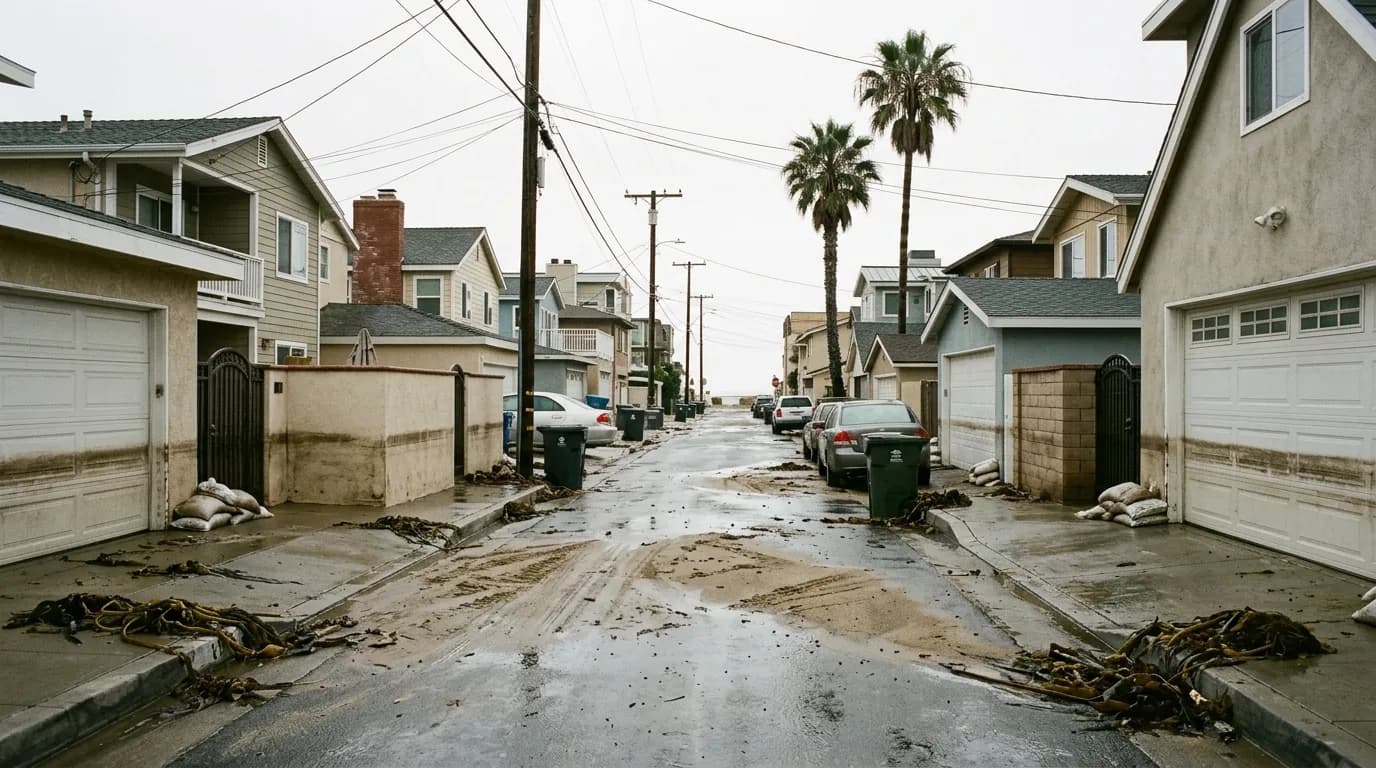
- Natural events. Heavy rains, floods, or storms can overwhelm drainage systems and seep into homes.
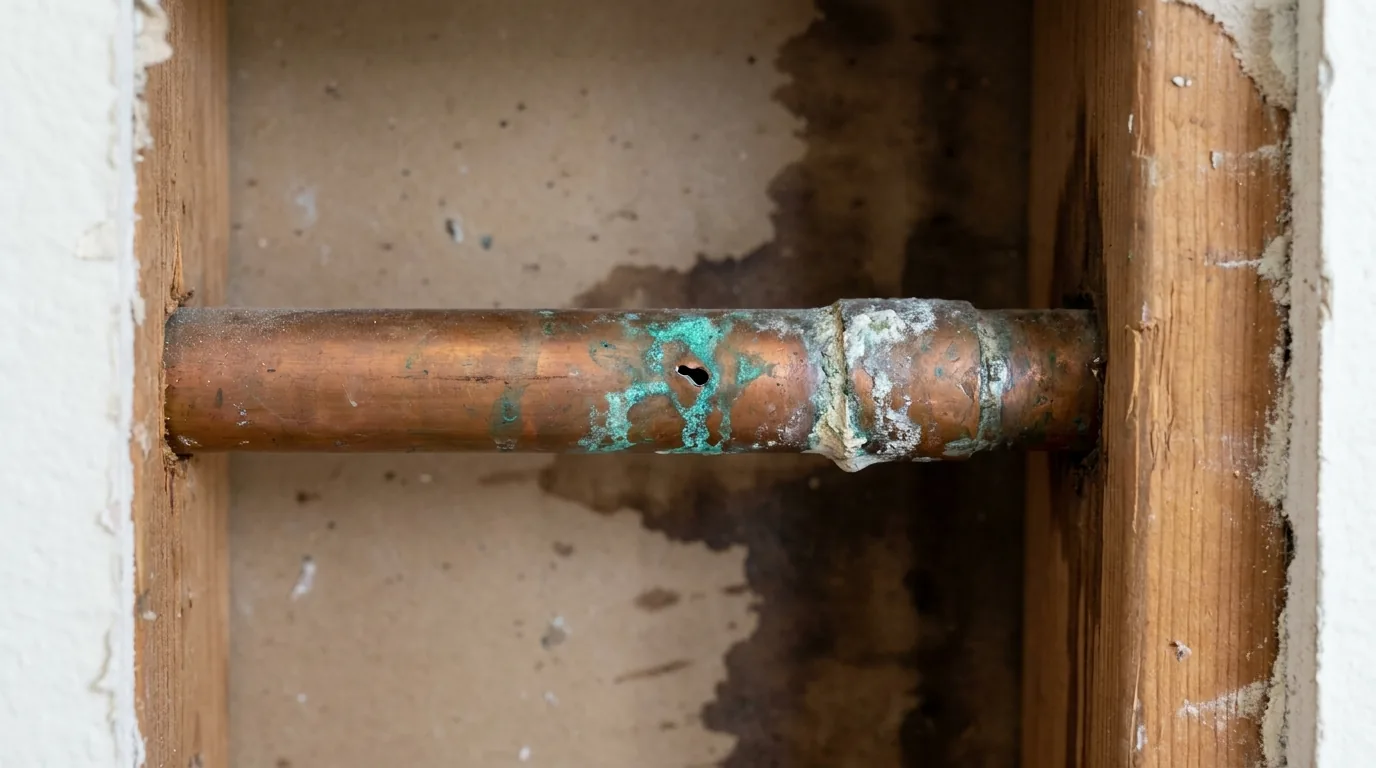
- Plumbing problems. Leaky pipes, faulty appliances, or a dripping faucet can lead to water accumulating where it shouldn't.
- Home infrastructure. Cracks in foundations, poorly sealed windows, or aging roofs allow water to enter over time.
- Humidity issues. Poor ventilation creates conditions where moisture builds up, potentially leading to mold growth.
Types of water damage
- Clean water damage. Comes from sources like a broken supply line or an overflowing sink. Clean initially, but still causes significant damage if not addressed promptly.
- Grey water damage. Contains contaminants that can cause discomfort if ingested — water from dishwashers or washing machines, for example.
- Black water damage. Extremely unsanitary water containing bacteria and harmful substances, often from sewage backups or floodwaters.
Effects of water damage
- Structural damage. Water weakens building materials, causing floors, walls, and ceilings to warp or deteriorate.
- Health hazards. Mold growth can begin within hours of water exposure, leading to respiratory issues and allergies.
- Electrical risks. Water damages electrical systems, posing a risk of electrocution and fire.
- Property loss. Personal belongings, furniture, and electronics can be damaged beyond repair.
Dealing with water damage
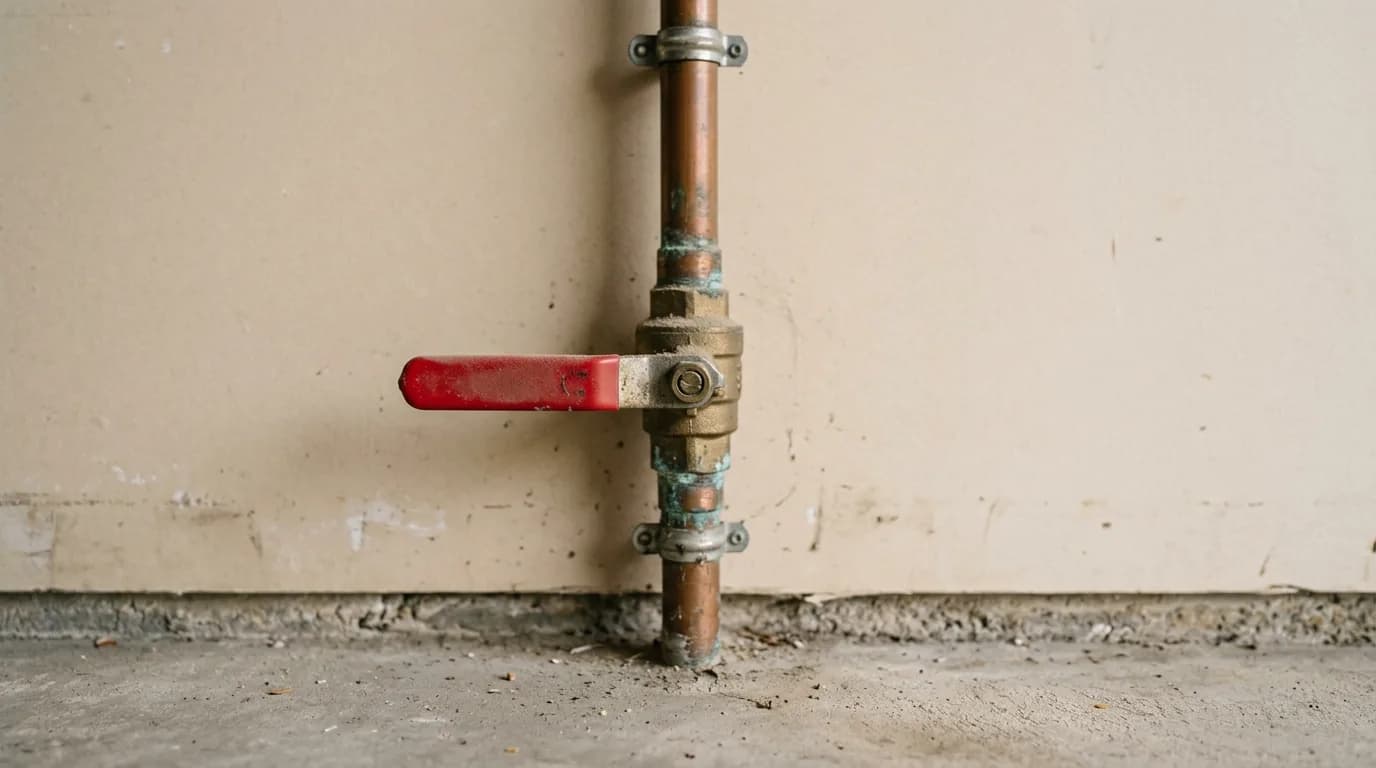
- Assessment. Quickly assess the extent of the damage and identify the source of the water — stop it if possible.
- Water removal. Use pumps, wet vacuums, or towels to remove standing water.
- Drying out. Fans, dehumidifiers, and open windows help dry affected areas and prevent mold growth.
- Cleaning and disinfecting. Thoroughly clean and disinfect surfaces and items that contacted water.
- Restoration. Repair structural damage and replace damaged materials to restore your home.
Preventing water damage
- Regular maintenance. Inspect plumbing, appliances, and your home's exterior for signs of leaks or wear.
- Proper insulation. Insulate pipes to prevent freezing and bursting in colder weather.
- Good drainage. Keep gutters and downspouts clear to direct water away from the foundation.
- Monitoring. Water detection devices and smart home technology can alert you to leaks or moisture buildup.
Understanding the basics of water damage empowers homeowners to take proactive steps to protect their homes and loved ones. Staying informed and prepared minimizes the risk of water damage and its disruptive consequences.