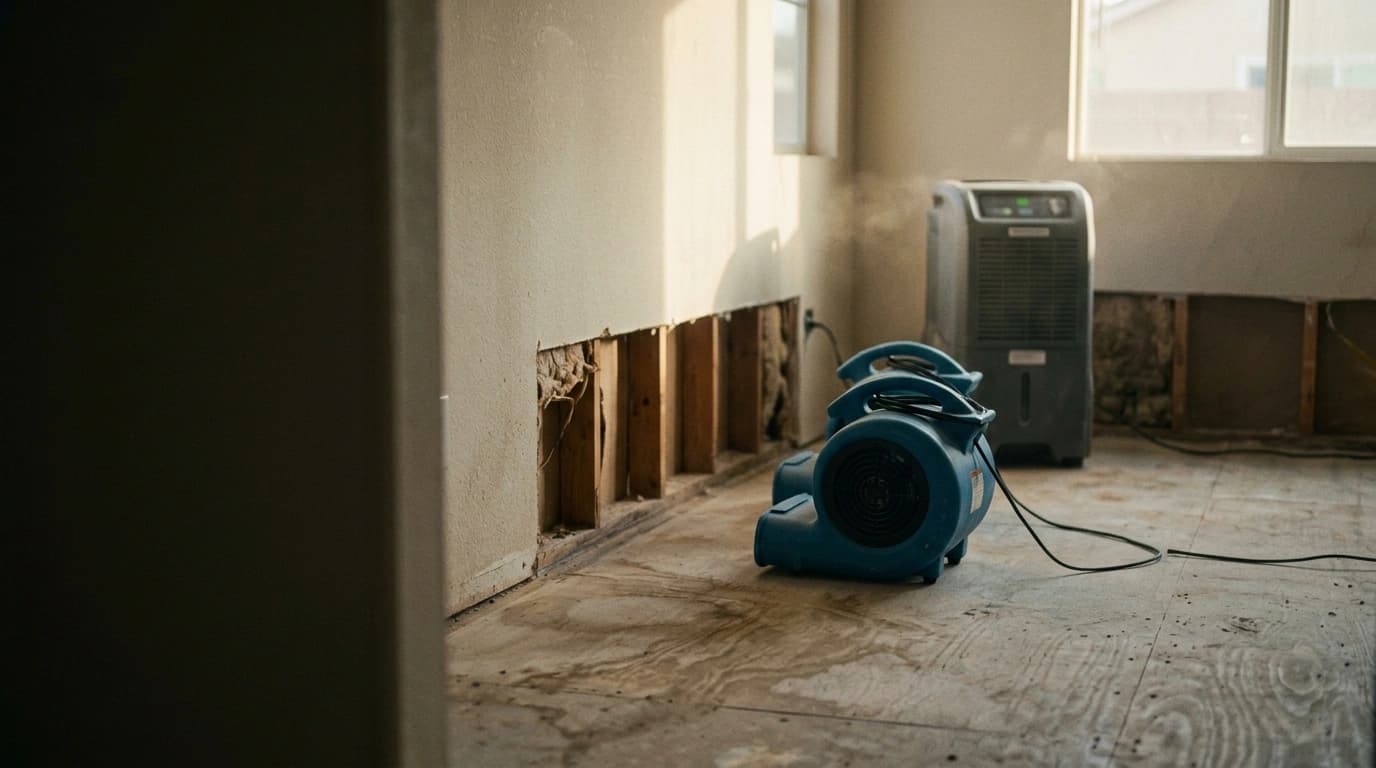
Most Southern California water damage jobs dry in three to five days — but drying is only the first half. Here is a realistic phase-by-phase timeline, and the seven things that stretch it out.
For a contained water loss — one flooded bathroom, a supply line that let go under a sink, a water heater that failed overnight — structural drying typically takes three to five days. Repairs and rebuild add anywhere from a few days to three weeks on top of that. The number most homeowners actually want, though, is not the average. It is the timeline for their house, which depends on how fast the water was found, what it soaked into, and whether the water was clean or contaminated.
Here is how a professional job actually unfolds, phase by phase, and what pushes each phase longer or shorter.
The short version: two clocks, not one
Restoration runs on two separate clocks that homeowners often collapse into one. The first is the mitigation clock — extraction and structural drying, the emergency work that stops the damage from spreading. The second is the reconstruction clock — replacing drywall, baseboard, cabinetry, flooring, and paint. Mitigation is measured in days. Reconstruction is measured in weeks, and it usually cannot begin until the insurance scope is approved.
| Phase | Typical Duration | What Happens |
|---|---|---|
| Emergency response | Within 60 minutes of your call | Crew dispatched, source contained, safety assessed |
| Extraction | 2–6 hours | Standing water removed, saturated carpet pad and unsalvageable material pulled |
| Structural drying | 3–5 days | Air movers and dehumidifiers run continuously; daily moisture readings |
| Verification | Final day of drying | Moisture meters confirm materials are back to dry standard |
| Antimicrobial treatment | Within drying window | Applied where water category or dwell time warrants it |
| Reconstruction | 3 days – 3 weeks | Drywall, texture, paint, trim, flooring, cabinetry |
Hours 1–6: extraction sets the whole schedule
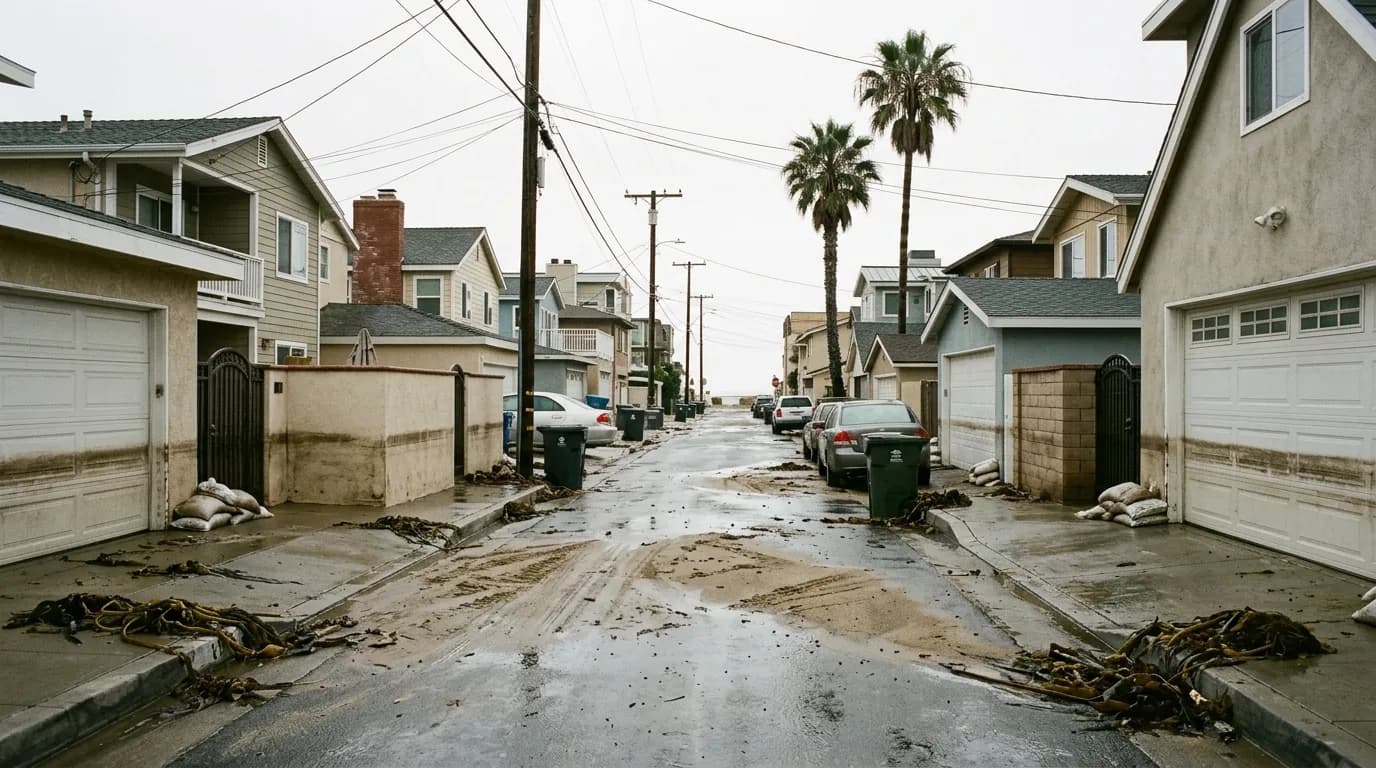
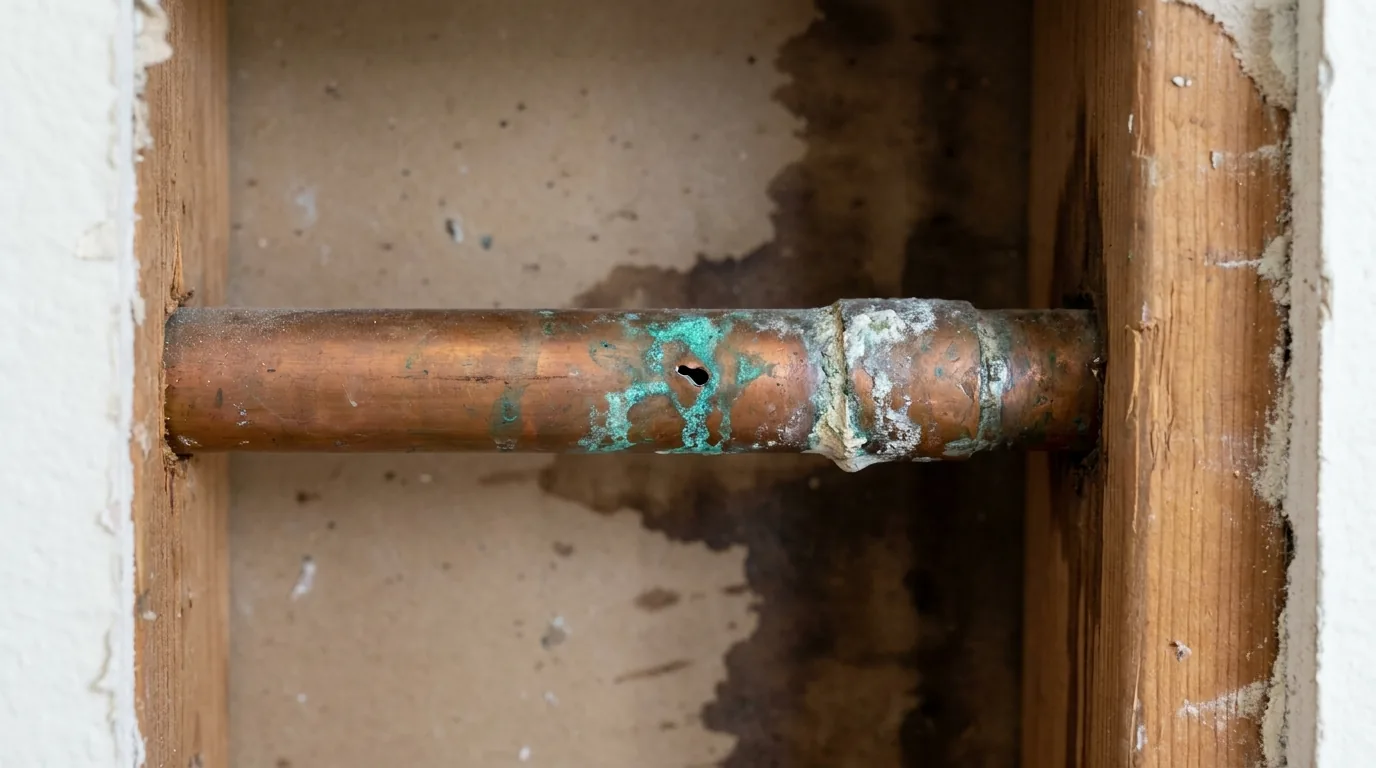
The single largest variable in your timeline is decided in the first six hours. Every hour that water sits, it travels further into wall cavities, under cabinet toe-kicks, and along the underside of subfloor. Water wicks upward through drywall quickly in the early stage, which is why a leak found at hour two is often a two-day dry and the same leak found at hour thirty is a five-day dry with demolition.
Professional water extraction uses truck-mounted or high-capacity portable units that pull far more water per pass than a shop vacuum. That matters because every gallon extracted mechanically is a gallon that does not have to be evaporated into the air and pulled back out by a dehumidifier — the slow, expensive way to remove water. Our emergency water removal crews target on-site arrival within 60 minutes across all four counties we serve for exactly this reason.
Days 2–4: structural drying and daily moisture readings
Once standing water is gone, the equipment goes in. Air movers push high-velocity air across wet surfaces to accelerate evaporation; dehumidifiers pull that moisture out of the air so it does not simply redeposit on cool surfaces elsewhere in the house. The two only work as a system. Fans alone raise indoor humidity and can move moisture into rooms that were never wet in the first place.
A technician should return every day to take moisture readings at marked points, log them, and adjust equipment placement. If nobody is documenting daily readings, nobody actually knows whether the house is drying — and your insurance carrier will want that log. Our water dry-out process produces a written moisture map for exactly this reason.
What “dry” actually means
Dry is not a feeling. It is a measurement. The industry benchmark is the ANSI-accredited IICRC S500 Standard for Professional Water Damage Restoration, which sets drying goals against comparable unaffected materials in the same structure rather than against one universal number. A wood subfloor in Temecula in August has a different baseline than the same subfloor in January.
This is why a crew that pulls equipment on day three because the carpet feels dry is a problem. Surface-dry with a wet wall cavity behind it is the exact condition mold needs, and the 24-to-48-hour mold window applies to the material, not to the surface you can touch. If you want to know what that looks like when it goes wrong, read our guide to the signs of mold behind walls.
Seven things that stretch the timeline
- Delay before the call. A loss that sat overnight can double the drying schedule.
- Water category. Contaminated water requires removal of porous materials rather than drying them in place — see our guide to water damage categories.
- Hardwood and engineered flooring. Wood dries slowly and often needs specialty mat systems, adding two to four days.
- Multiple levels. Water that reached a second story and then a ceiling below is two drying environments, not one — ceiling water damage usually adds a day.
- Plaster and lath in older homes. Common in older San Bernardino, Ontario, and Santa Ana homes, and in parts of Riverside County; it holds water far longer than modern drywall.
- Insulation in wall cavities. Wet fiberglass and cellulose rarely dry in place on a workable schedule and usually come out.
- Insurance approval lag on the reconstruction scope. Mitigation proceeds immediately; rebuild waits on adjuster sign-off.
What makes it go faster
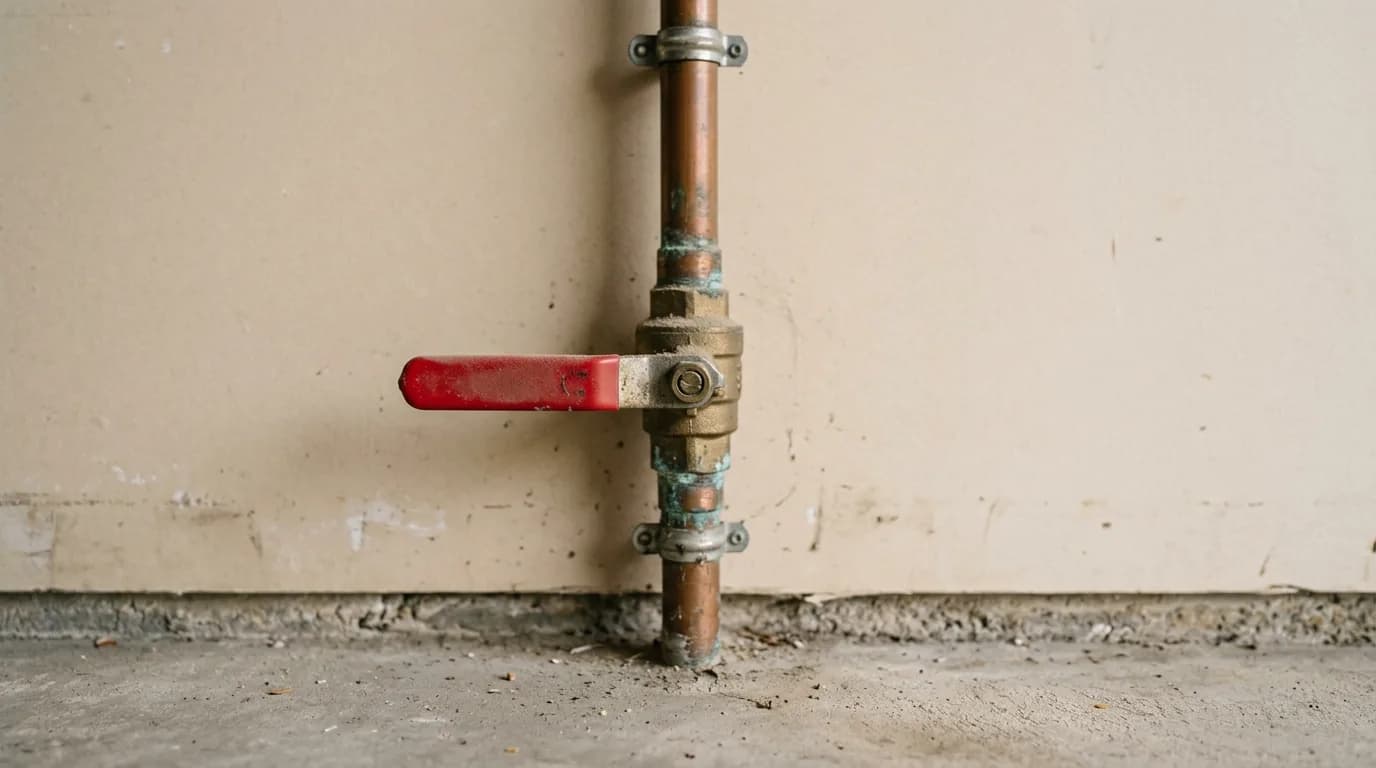
Call before you clean up. Shut the water off at the main if you can reach it safely, and photograph everything before moving furniture. Do not run the HVAC system if water reached ductwork or if there is any question about contamination. And get a restoration company on site before the insurance adjuster, not after — the moisture documentation captured on day one is what makes the claim move quickly later. We cover that sequence in our guide to water damage insurance coverage in California.
Then comes reconstruction
Once the structure is dry, the repair clock starts. A single bathroom with drywall, baseboard, and a vanity might be three to five days of water damage repair. A whole-floor loss with cabinetry, tile, and custom finishes moves into reconstruction territory and can run two to three weeks, driven largely by material lead times and permit requirements in the jurisdiction.
Southern California specifics
Two regional factors change the math here. First, most homes across Riverside County and the wider Inland Empire sit on slab foundations, so a supply-line failure often shows up as damp flooring rather than visible water — and by the time it is visible, the dwell time is already long. Second, our low ambient humidity is an advantage during drying, but only if the structure is sealed and dehumidified properly; opening every window in Canyon Lake in August pulls 100°F air into the drying chamber and raises the dew point inside it.
Frequently asked questions
- How long does it take to dry out walls after water damage?
- Drywall typically dries in three to five days with professional air movers and dehumidifiers running continuously. Plaster, wet insulation inside the cavity, and double-layer drywall all take longer, and in many cases wet insulation is removed rather than dried because it will not release moisture on a workable schedule.
- Can I just use fans and a household dehumidifier?
- For a small, clean-water spill caught within an hour, sometimes. For anything that soaked into drywall, subfloor, or insulation, consumer equipment does not move enough air or remove enough moisture per day to dry a structure before mold becomes a risk. The failure mode is not obvious either — the surface dries while the cavity behind it stays wet.
- How long do the fans have to stay on?
- Typically 72 to 120 hours, running continuously. Turning equipment off overnight because it is loud is the most common reason a three-day dry turns into a six-day dry, and it undermines the drying documentation your insurer relies on.
- How soon can repairs start after drying?
- Repairs can begin as soon as moisture readings confirm the structure has reached its drying goal — often the same week. The practical delay is usually insurance scope approval and material availability, not the drying itself.
Get an honest timeline for your specific loss
Gallagher Restoration Co. has served Southern California homeowners for more than 15 years from our Canyon Lake headquarters, covering Riverside, San Bernardino, Orange, and San Diego counties. We are IICRC-trained, family-owned, and licensed under CSLB #1061640. Call (951) 541-0034 any time — we dispatch 24/7 and aim to be on-site within 60 minutes — or request an assessment and we will walk the property, take readings, and give you a schedule in writing before any equipment goes in. If you are still getting oriented, our overview of the basics of water damage is a good place to start.