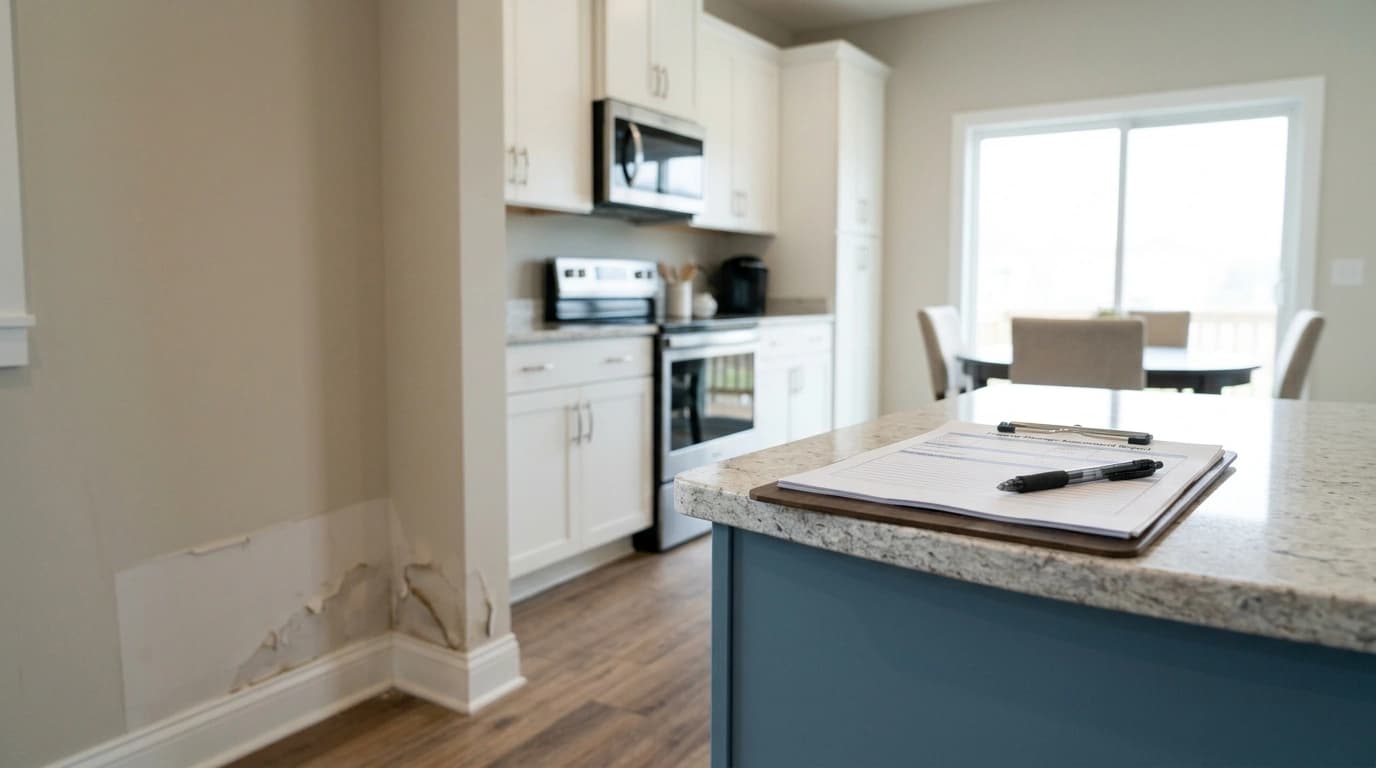
Sudden and accidental water damage is usually covered. Gradual leaks, flood, and sewer backup usually are not. Here is where California policies draw the line — and how good claims get denied on a technicality.
The rule that decides almost every California water damage claim is four words long: sudden and accidental. A supply line that bursts at 2 a.m. is sudden and accidental. A shower pan that has been weeping into the subfloor for eight months is not. Which side of that line your loss falls on — and what documentation puts it there — is usually the difference between a covered claim and a denial letter.
This guide covers what standard California homeowners policies typically pay for, the exclusions that catch people, and the specific steps that keep a legitimate claim from being denied on paperwork.
What is usually covered
Standard homeowners policies written in California generally cover water damage from a sudden, accidental discharge inside the home. In practice that means:
- A burst supply line, washing machine hose, or ice maker line — the most common covered claim we see across the Inland Empire.
- A water heater that fails and dumps its tank.
- A pipe that freezes and splits, which does happen in the high desert around Victorville.
- Rain entering through a hole in the roof caused by a covered peril such as wind — see roof water damage repair.
- Water used by the fire department to extinguish a fire, which is why fire damage restoration almost always includes a water component.
- Accidental overflow from a tub, sink, or toilet.
What is usually excluded
| Excluded Cause | Why | Available Fix |
|---|---|---|
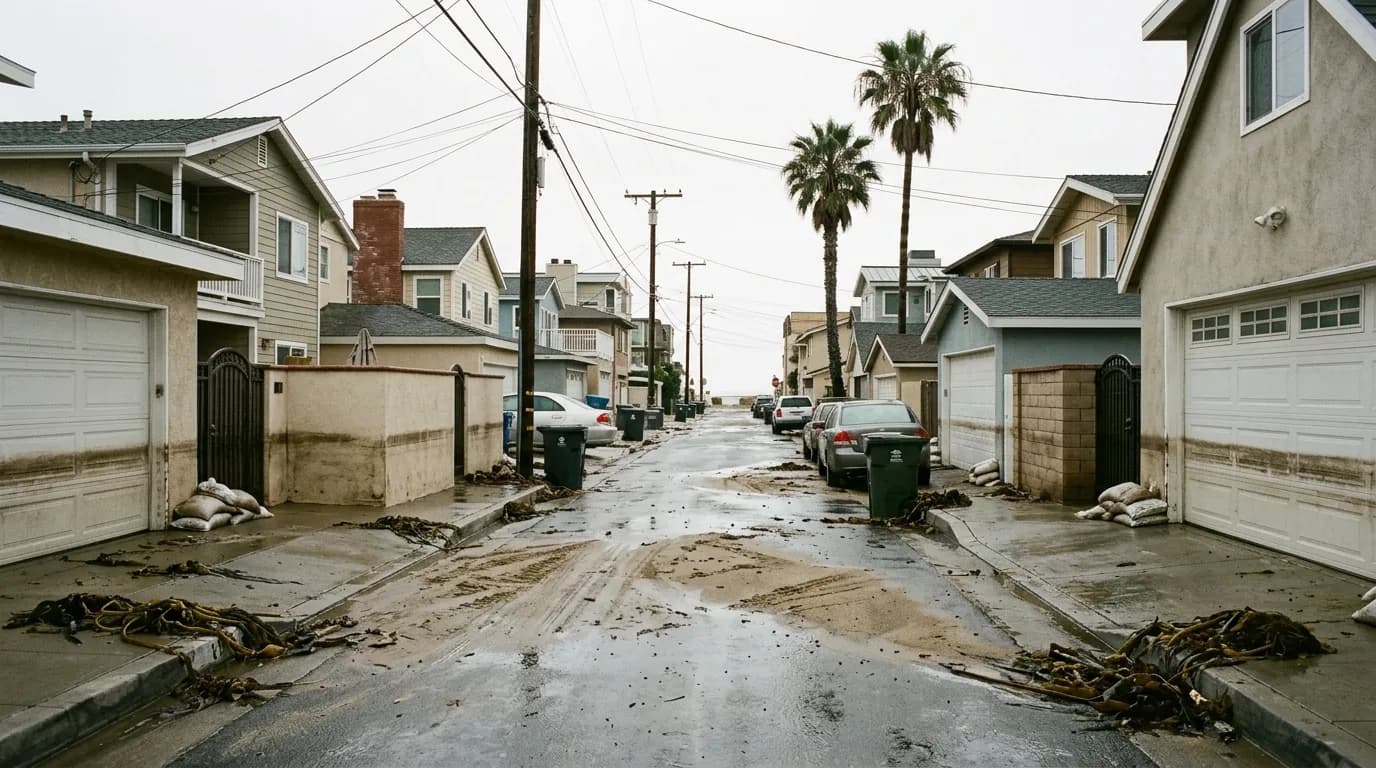
| Flood — rising surface water | Categorically excluded from standard homeowners policies | Separate NFIP or private flood policy |
| Sewer or drain backup | Excluded by default in most policies | Sewer backup endorsement, often a modest annual add-on |
| Gradual leak or long-term seepage | Treated as a maintenance failure, not an accident | None — prevention only |
| Seepage through slab or foundation | Classified as earth movement or flood depending on wording | Flood policy in some cases |
| Mold following an excluded or gradual event | Mold follows the coverage of the underlying water event | Mold endorsement, usually with a low sublimit |
The California Department of Insurance's Residential Property Claims Guide is direct about the flood distinction: homeowners policies do not cover flood damage, but they do cover other kinds of water damage — including rain entering through a hole in the roof, provided the hole itself was caused by a covered peril.
The gradual-damage trap
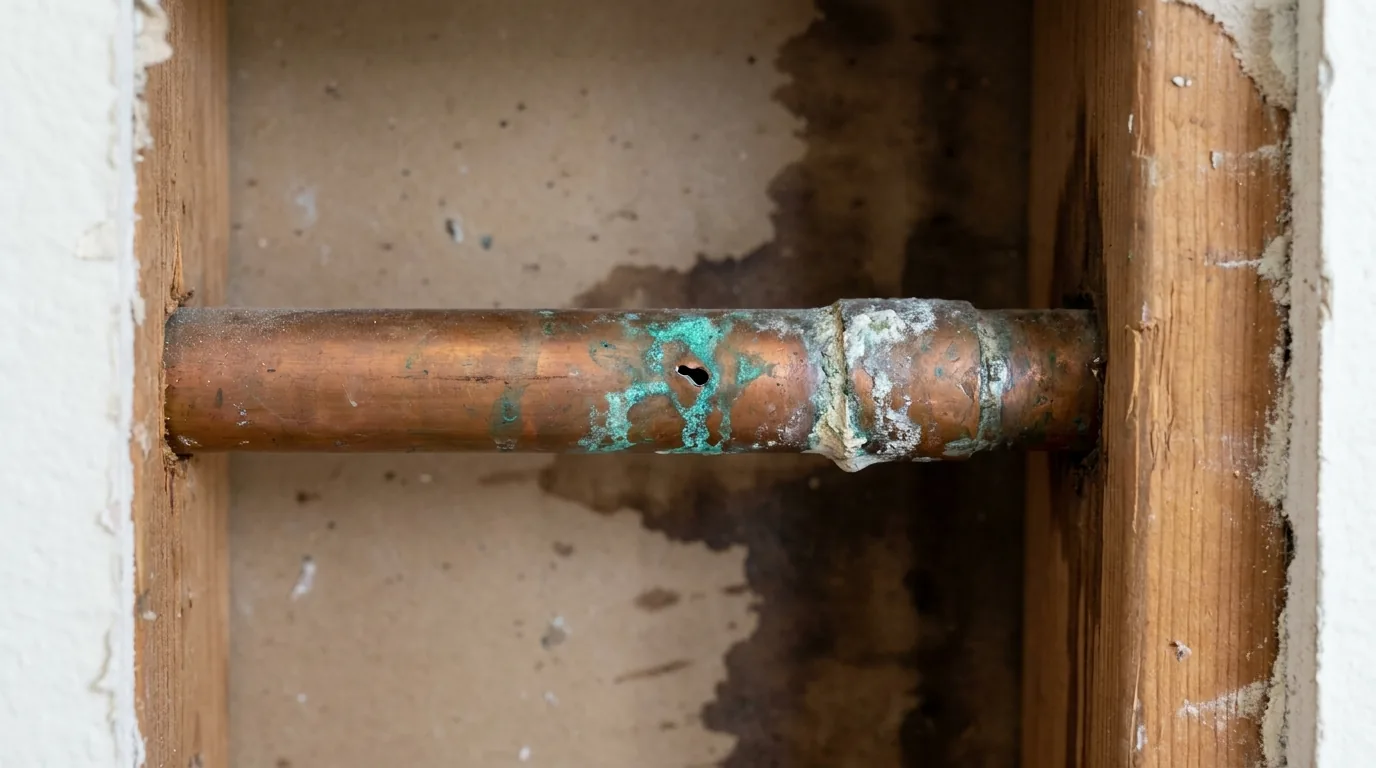
This is where most denials originate. Carriers do not deny claims because a leak was slow; they deny because policy language excludes damage that occurs over a period of weeks, months, or years. A pinhole leak in a copper line inside a wall may have dripped for a year before the drywall stained — and the moment the stain appears, the homeowner reasonably believes the loss just happened.
What helps is evidence about the event rather than the age of the plumbing: the failed component itself, a plumber's report, dated photographs, and a moisture map from a restoration contractor. That is one reason to call a restoration company before the adjuster, not after.
Slab leaks are their own category
Southern California's slab-on-grade construction produces a claim type that confuses even experienced homeowners. Most policies cover the resulting damage — flooring, drywall, cabinetry — but exclude the cost of repairing the pipe itself, and may exclude breaking and re-pouring the slab unless the policy includes tear-out coverage. If you are seeing warm spots on the floor, an unexplained water bill spike, or the sound of running water with every fixture off, read our guide to slab leak warning signs before you call the carrier.
Seven steps that protect the claim
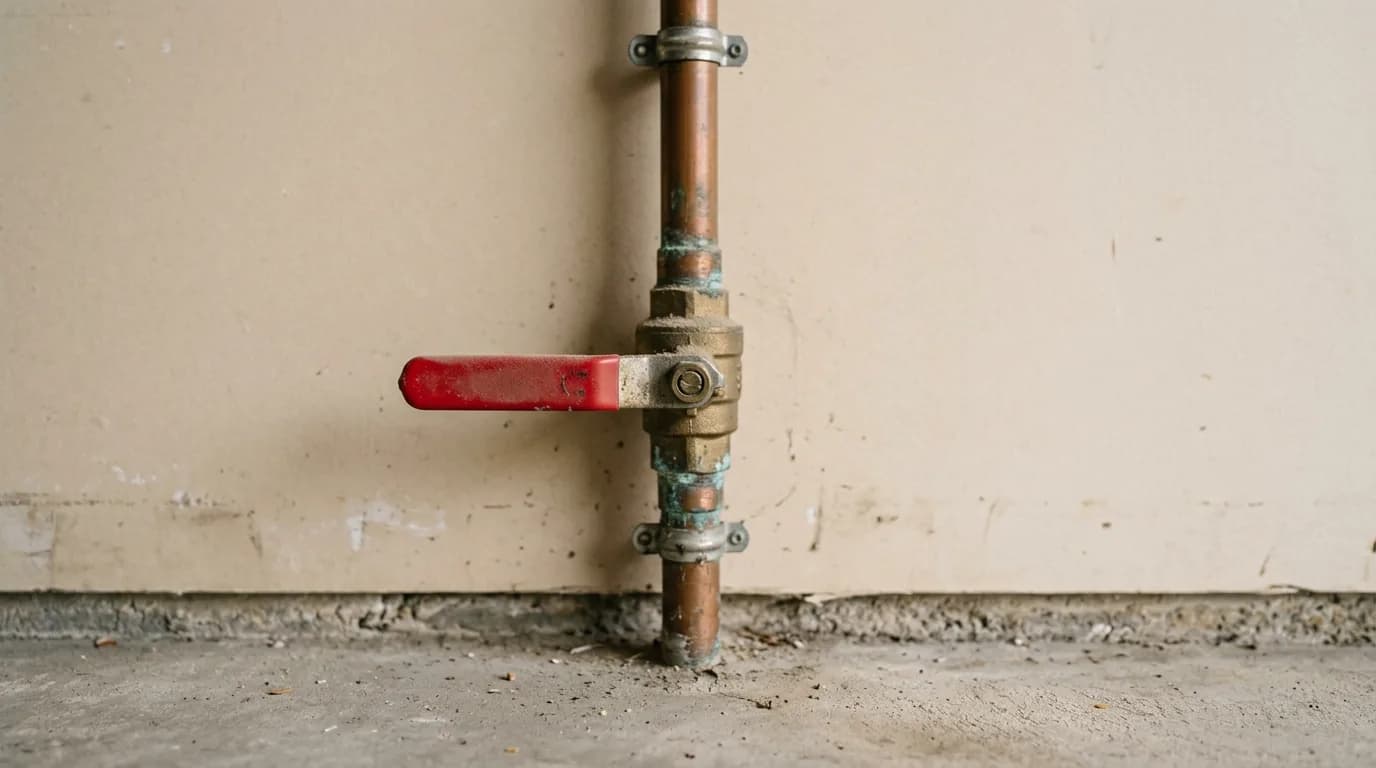
- Stop the source. Shut the water off at the main. Failure to mitigate is a legitimate basis for reducing a payout.
- Photograph and video everything before you move anything — including the failed part.
- Report promptly. Same day if possible; policies require prompt notice, and delay is a common denial reason.
- Keep the failed component. The split hose or cracked fitting is physical evidence of a sudden failure.
- Get professional emergency water removal started immediately. Mitigation is a policy obligation, not an optional expense.
- Save every receipt, including hotel and meals if the home is uninhabitable — that falls under additional living expenses.
- Get the moisture documentation in writing. Daily readings, a moisture map, and dry-standard verification are the strongest technical support your file can carry.
What the carrier typically pays, and in what order
Emergency mitigation — extraction, drying equipment, antimicrobial treatment, documentation — is billed separately from reconstruction and is usually approved quickly, because it prevents a much larger claim. Reconstruction goes through a scope review, which is where most of the back-and-forth happens. Our timeline guide explains why those two phases run on different clocks. And if mold has developed, the coverage picture changes again — mold sublimits are often far lower than homeowners expect, and our mold remediation cost guide shows where the real numbers usually land in Southern California.
Direct insurance billing
Gallagher Restoration bills most carriers directly for the mitigation portion of the work, which means you are typically responsible for the deductible rather than fronting the full cost of drying. We also assemble the documentation package — photos, moisture logs, equipment records, and a written scope — in the format adjusters expect. That is the core of property damage management, and it has more influence on how smoothly a claim closes than almost anything else.
Frequently asked questions
- Does homeowners insurance cover a slab leak in California?
- Most California policies cover the resulting water damage to flooring, drywall, and cabinets, but exclude the cost of repairing the pipe itself. Coverage for tear-out — breaking and re-pouring the slab to reach the pipe — varies by policy and is worth checking specifically, since it is often the largest single line item.
- Will filing a water damage claim raise my rates?
- It can, and in the current California market it can also affect renewal. A single claim is usually less damaging than two or more within a few years. For losses close to your deductible, get a repair estimate before you file so you can make that decision with real numbers.
- Is mold covered by homeowners insurance in California?
- Mold is generally covered only when it results directly from a covered water event and was addressed promptly. Most California policies carry a mold sublimit that is well below the cost of a large remediation. Mold traced to a gradual leak or deferred maintenance is typically excluded entirely.
- What should I do if my claim is denied?
- Request the denial in writing with the specific policy language cited, then compare it against your actual policy. You have the right to appeal, to request appraisal under most policies, and to file a complaint with the California Department of Insurance. Technical documentation from a restoration contractor — moisture readings, photographs, and a written cause-of-loss opinion — is frequently what reverses a gradual-damage denial.
Talk to someone who works with adjusters daily
Gallagher Restoration Co. is family-owned, IICRC-trained, and licensed under CSLB #1061640, serving four Southern California counties from Canyon Lake. We work with carriers every day and will tell you honestly whether your loss is worth filing. Call (951) 541-0034 for 24/7 dispatch, or request an assessment.
This article is general information about how California homeowners policies commonly work. It is not legal or insurance advice — your policy language controls, and coverage varies by carrier and endorsement.