Most Inland Empire homes sit on a concrete slab, which means a failed water line can run for months before anything shows. These are the signs that show up first — and what a slab leak actually costs.
A slab leak is a break in a water line running beneath or inside the concrete foundation of your home. In most of the country it is a specialty problem. Across the Inland Empire, Orange County, and North San Diego County — where the overwhelming majority of post-war and tract housing is slab-on-grade — it is one of the most common causes of major residential water damage we respond to.
What makes slab leaks expensive is not the pipe. It is the time. A pressurized supply line under a slab can lose water continuously for weeks or months, and the first thing most homeowners notice is a symptom four steps removed from the cause.
Eight signs, in the order they usually appear
- A water bill that climbed with no change in usage. This is the single most reliable early indicator — a small continuous leak can waste thousands of gallons a month.
- The sound of running water when every fixture is off. Quiet house, late at night, ear near the floor.
- A warm spot on the floor. This means the leak is in the hot-water line, and it is the sign homeowners most often notice first without knowing what it is.
- Low water pressure throughout the house, developing gradually.
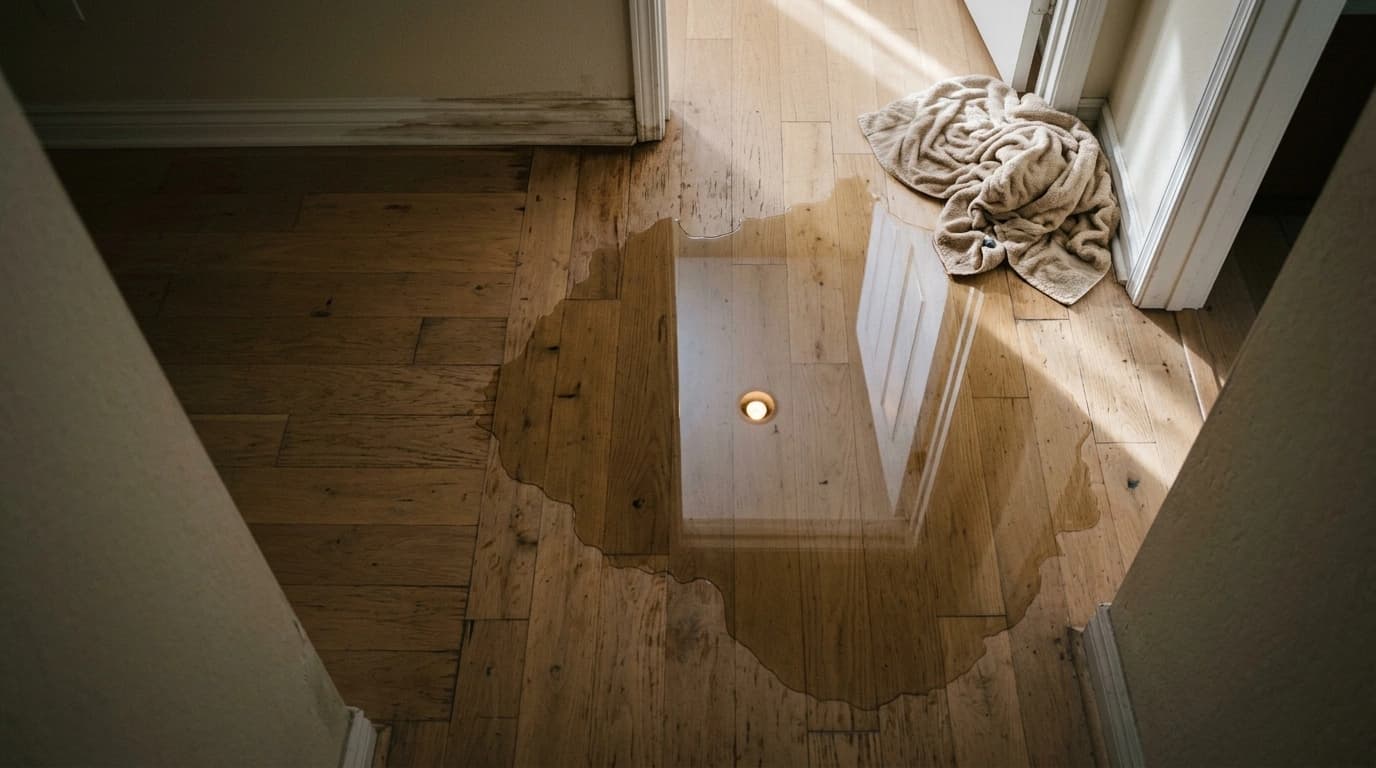
- Cracked or lifting flooring — tile that has come loose, laminate that has domed, hardwood that has cupped in one area.
- Damp carpet or a persistent musty smell along an interior wall, particularly at the bottom of the wall.
- New cracks in drywall or above door frames as the slab moves in response to saturated soil beneath it.
- Standing water or unusually green grass along one section of the foundation exterior.
Signs one through three are the actionable ones. By the time you reach five and six, water has been under the house long enough to affect finishes and, often, to start mold in the bottom plate of a wall.
The water-meter test you can run in five minutes
Turn off every water-using fixture and appliance in the house, including ice makers and irrigation. Find the water meter at the street and look at the leak indicator — usually a small triangle or dial that spins when water is moving. If it is turning with everything shut off, water is leaving the system somewhere. Alternatively, write down the meter reading, wait two hours with no water use, and check again.
The EPA's WaterSense program notes through its Fix a Leak Week campaign that household leaks waste close to a trillion gallons of water nationwide each year, and that fixing them can cut a household's water and sewer bill by roughly ten percent. In a drought-priced California market, a slab leak is also an ongoing financial leak.
Why Southern California homes are especially prone
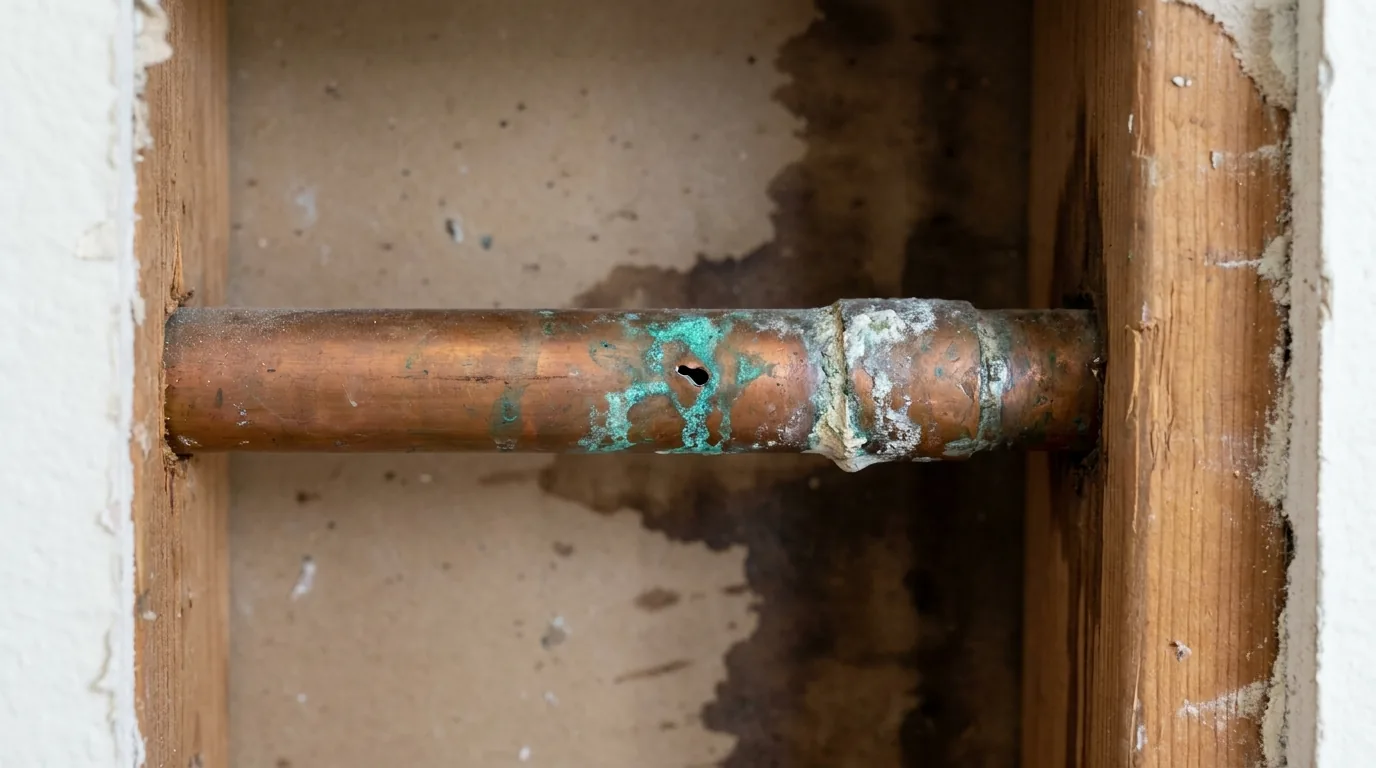
- Copper in aggressive soil. Some Inland Empire soil chemistry corrodes copper from the outside in, producing pinhole leaks in lines that are otherwise sound.
- Age. Housing built in the 1960s through 1990s across Hemet, Sun City, and Corona is now at or past the service life of its original supply plumbing.
- Expansive clay soil. Seasonal wet-dry cycling shifts the slab, and movement stresses the lines cast into it.
- Hot-water lines fail first. Hot copper corrodes faster and expands and contracts more, which is why warm floor spots are such a common first symptom.
- Hard water. Mineral scale accelerates internal wear at joints and bends.
What it costs
| Scope | What It Covers | Estimated Cost Range |
|---|---|---|
| Leak detection | Electronic and acoustic location of the break | $150 – $600 |
| Spot repair through slab | Jackhammer access, pipe repair, concrete patch | $2,000 – $6,000 |
| Reroute above slab | Abandon the line, run new pipe through wall or attic | $1,500 – $5,000 |
| Whole-home repipe | All supply lines replaced | $6,000 – $18,000 |
| Water damage restoration | Extraction, structural drying, flooring and drywall | $1,500 – $10,000+ |
| Mold remediation, if present | Containment, removal, treatment, clearance | $1,500 – $6,000+ |
Note that the plumbing repair and the restoration are two separate scopes, usually performed by two different companies, and usually treated differently by your insurance carrier. Most California policies cover the resulting water damage but exclude the pipe repair itself — the distinction is covered in our guide to California water damage insurance coverage.
What to do if you suspect one
- Run the meter test to confirm water is moving with everything off.
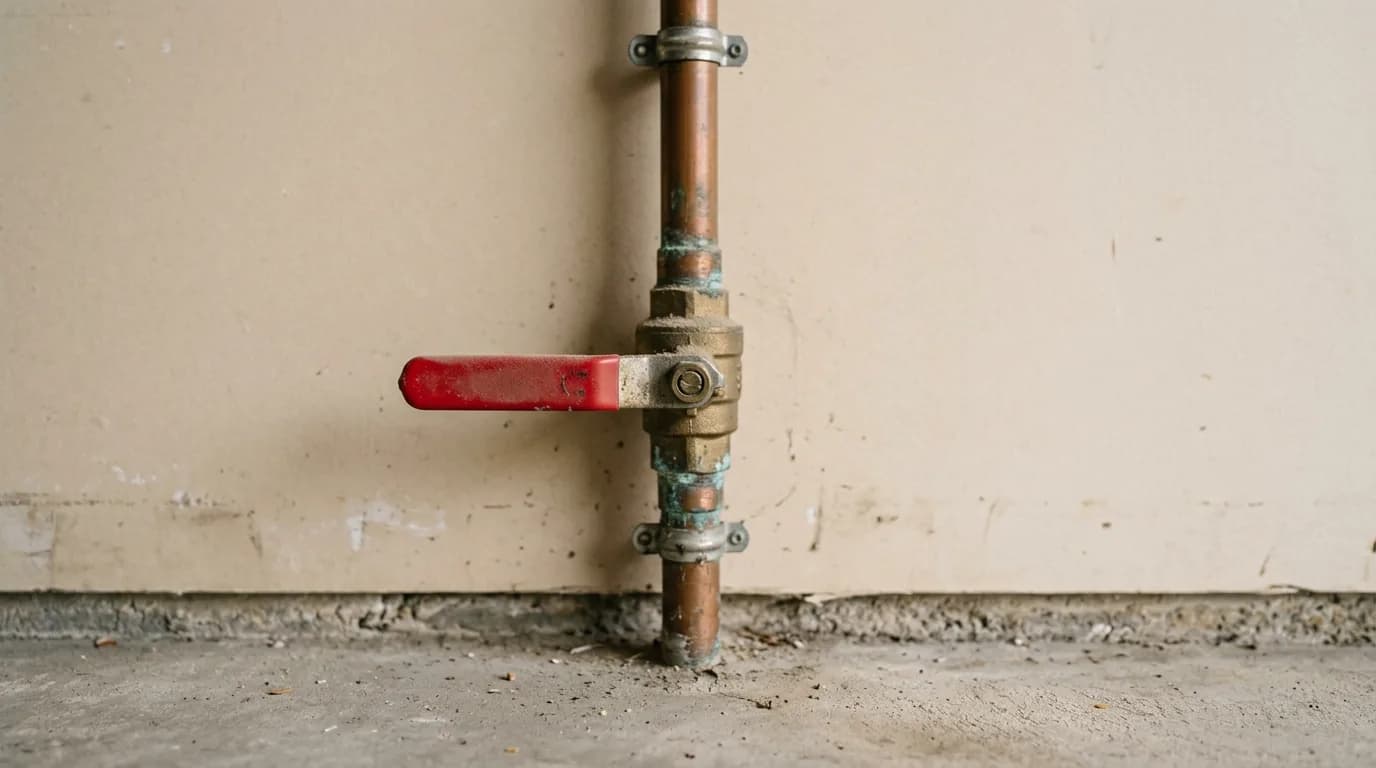
- Shut off the main if the flooring is actively wet. You can turn it on periodically for use.
- Photograph everything — the meter, the wet flooring, the water bills showing the increase.
- Call a plumber for leak detection and repair. Slab leak location is specialized work; do not let anyone start breaking concrete on a guess.
- Call a restoration company for the water side. Detection tells you where the pipe failed; moisture mapping tells you how far the water traveled, and those are almost never the same footprint.
Why the drying matters more than it looks like it should
Slab leak water does not pool on top of the concrete and wait. It saturates the slab itself, wicks up into the bottom plate of framed walls, moves under flooring adhesive, and travels along the underside of cabinet toe-kicks. Concrete releases that moisture slowly — a slab that has been wet for weeks can take considerably longer to dry than a comparable drywall loss, and closing new flooring over a slab that is still releasing vapor is a reliable way to produce a second failure in a year.
Our water dry-out process treats slab moisture as its own drying problem, with dedicated equipment and verification readings taken on the concrete rather than just the finish materials. If flooring, baseboard, or cabinetry has to come out, water damage repair handles the rebuild.
Frequently asked questions
- How long can a slab leak go undetected?
- Months, and occasionally years. A pinhole leak in a cold-water line under a slab produces no warm spot, no visible water, and often no sound audible above normal household noise. The water bill is usually the first honest signal, which is why it is worth comparing your bill year over year rather than month to month.
- Will a slab leak cause mold?
- Frequently, yes — not in the slab itself, but in the framing, insulation, and drywall the moisture wicks into. Because slab leaks run long before detection, they are one of the more common origins of hidden wall-cavity mold we encounter. See the signs of mold behind walls for what that looks like.
- Is it cheaper to reroute or to repair through the slab?
- It depends on access and on the age of the plumbing. A single failure in an otherwise sound system in an accessible location is often cheaper to repair directly. If the line has already failed once, or the home has original copper past its service life, a reroute or partial repipe is frequently the better long-term value even though the initial invoice is similar.
- Does homeowners insurance cover slab leaks in California?
- Most policies cover the resulting damage to flooring, drywall, and cabinets, but exclude the repair of the pipe itself. Coverage for tear-out — the cost of breaking and re-pouring concrete to reach the line — varies significantly by policy and is worth confirming in your specific declarations page before work begins.
Warm floor, high bill, no explanation?
That combination is worth a phone call before it becomes a flooring job. Gallagher Restoration Co. handles the water damage side of slab leaks across Riverside, San Bernardino, Orange, and San Diego counties from our Canyon Lake headquarters — IICRC-trained, family-owned for 15+ years, CSLB #1061640. Call (951) 541-0034 for 24/7 dispatch with a 60-minute response target, or request an assessment.