Category 1, 2, and 3 water are not about how dirty the water looks. They determine what can be dried and saved versus what has to be cut out and thrown away — and Category 1 does not stay Category 1 for long.
When a restoration technician walks into your home, one of the first determinations they make is the category of the water. It sounds like paperwork. It is actually the decision that drives everything else: whether your carpet can be saved, whether the drywall gets dried or cut out, whether the crew needs containment and negative air, and how much the job will cost.
Here is what the three categories mean, and the part most homeowners are never told — a category is not fixed. It degrades with time.
Category 1 — clean water
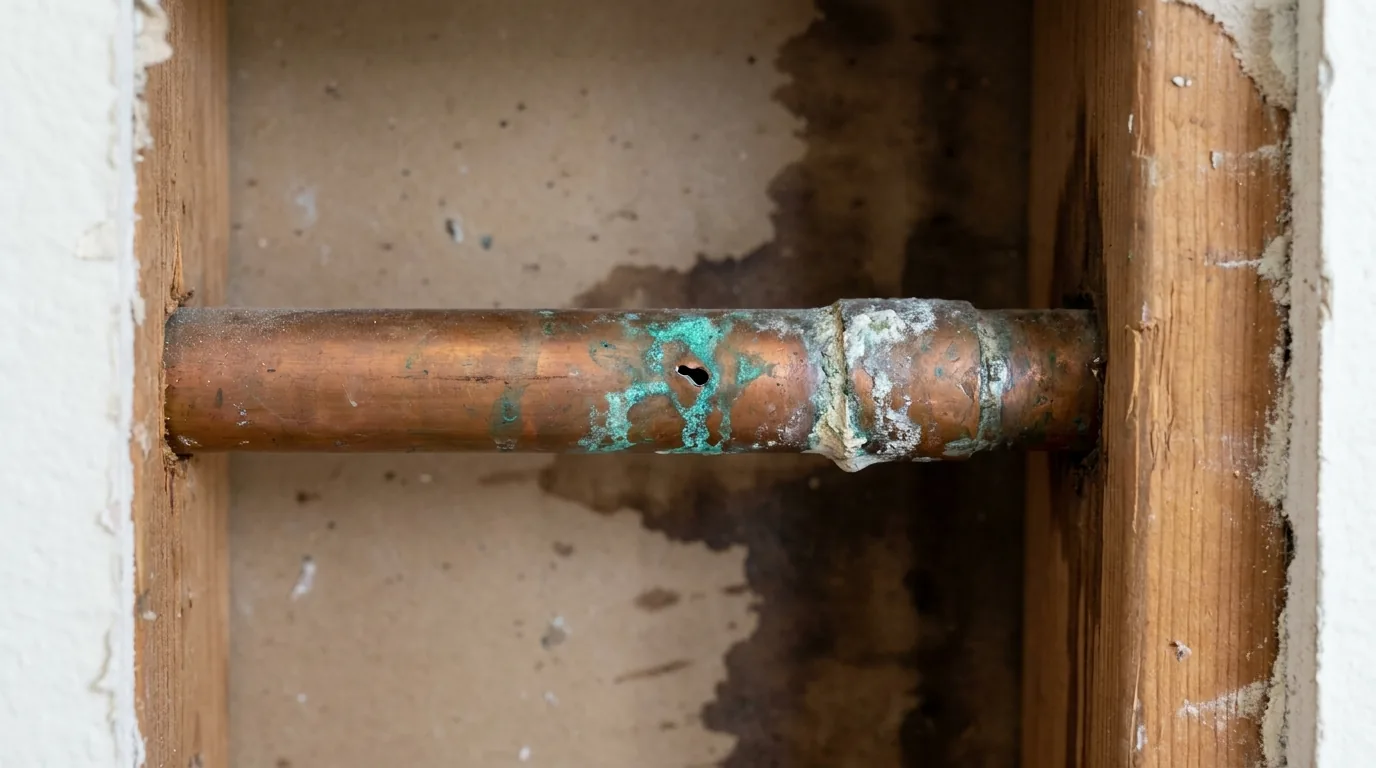
Water from a sanitary source that poses no substantial risk from ingestion or contact. A broken supply line, an overflowing bathtub, a failed water heater, rainwater entering through a compromised roof, or condensate from an air conditioner all start here.
Category 1 is the best case: structural materials can usually be dried in place, carpet is often salvageable with a new pad, and drywall frequently stays if it dries within the window. This is the scenario our water dry-out process is built around.
Category 2 — gray water
Water with significant contamination that has the potential to cause discomfort or illness. Washing machine discharge, dishwasher overflow, toilet overflow containing urine but no solids, and water from an aquarium or waterbed all fall here — as does Category 1 water that has degraded.
At Category 2, carpet pad goes. Carpet may be salvageable with professional cleaning if it is caught quickly. Drywall can often be dried but usually requires antimicrobial treatment, and porous items in contact with the water are evaluated individually.
Category 3 — black water
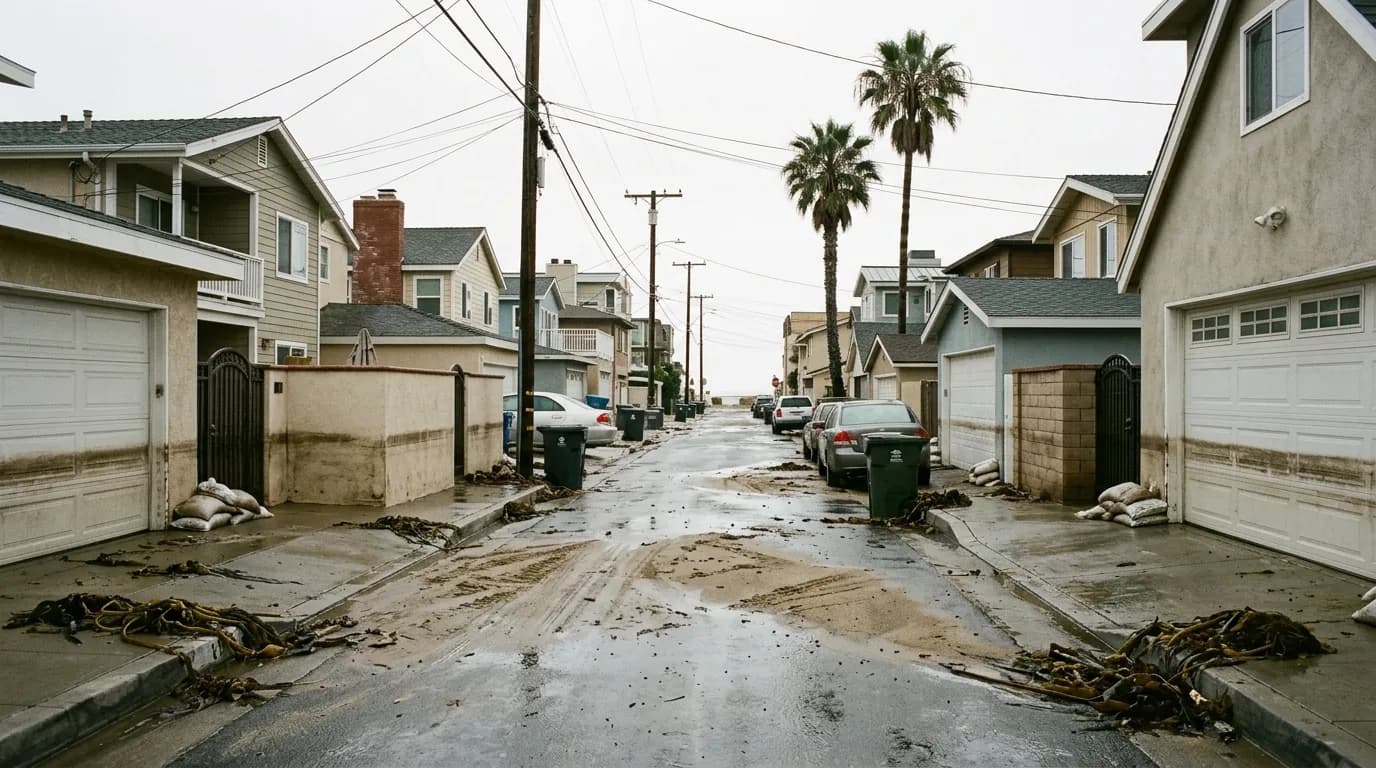
Grossly contaminated water containing pathogenic, toxigenic, or otherwise harmful agents. Sewage backups, toilet overflow containing solids, rising floodwater from outside the structure, and water from a stream or storm channel are all Category 3 by definition.
The most important misconception here: Category 3 water is not necessarily dark or foul-smelling. It can look perfectly clear. The classification is about what is in it biologically, not what it looks like. The CDC's guidance on floodwater after a disaster or emergency notes that floodwater may contain sewage, and that contact or ingestion can cause serious infections — which is why Category 3 work is done in personal protective equipment, under containment, with everything porous removed rather than dried.
The comparison that matters
| Category 1 (Clean) | Category 2 (Gray) | Category 3 (Black) | |
|---|---|---|---|
| Typical sources | Supply line, water heater, tub overflow | Washing machine, dishwasher, urine-only toilet overflow | Sewage, floodwater, toilet overflow with solids |
| Carpet | Often salvageable, pad replaced | Sometimes salvageable, pad discarded | Removed and discarded |
| Drywall | Usually dried in place | Dried with antimicrobial, or removed low | Cut out above the water line |
| Insulation | Often removed if saturated | Removed | Removed |
| Containment / PPE | Minimal | Moderate | Full containment, negative air, PPE |
| Relative cost | Lowest | Moderate | Highest |
The 48-hour rule nobody mentions
Category is assigned at the time of inspection, not at the time of the failure — and clean water does not stay clean. As it sits, it picks up dust, drywall gypsum, carpet adhesive, soil, and whatever was on the floor. Bacteria already present in the building materials multiply in it. Within roughly 24 to 48 hours, ambient conditions and dwell time can move a Category 1 loss into Category 2, and a Category 2 loss left long enough moves toward Category 3.
This is why a burst pipe discovered Friday night and reported Monday morning is not the same job as one reported Friday night. The water is the same water. The category, the scope, and the invoice are all different. It is also the practical reason our emergency water removal team dispatches 24/7 rather than scheduling for business hours — and why our restoration timeline guide treats the first six hours as the whole ballgame.
Why the category drives your bill
Category 1 work is mostly equipment and labor: extract, set air movers and dehumidifiers, monitor, verify dry. Category 3 work adds containment barriers, negative air machines, PPE for every technician, biohazard disposal, and the removal and replacement of everything porous the water touched. The same 400 square feet of flooring can be a two-day dry or a full demolition and rebuild depending only on where the water came from. If your loss involves a backup, our sewage clean-up services page explains what Category 3 protocol actually looks like on site, and our post on what to do during a sewage backup covers the first hour.
How this plays out in Southern California
Regional patterns are consistent. Aging galvanized and copper supply lines in older Sun City and Hemet housing stock produce Category 1 losses that go undetected inside walls. Winter storm runoff in low-lying parts of Perris and along seasonal channels produces genuine Category 3 events. And the region's older sewer laterals — root-intruded clay pipe under mature landscaping — generate backups year-round that are Category 3 the moment they surface.
What you should and should not do yourself
- Category 1, small and immediate: extracting with a wet vac and running fans is reasonable if you can reach everything wet — including under the cabinet toe-kick and behind the baseboard.
- Category 2: stop at photographing and calling. Cleaning agitates contamination and household equipment cannot dry a structure fast enough to prevent degradation.
- Category 3: do not enter the water. Do not run the HVAC system. Keep children and pets out of the area entirely and call immediately.
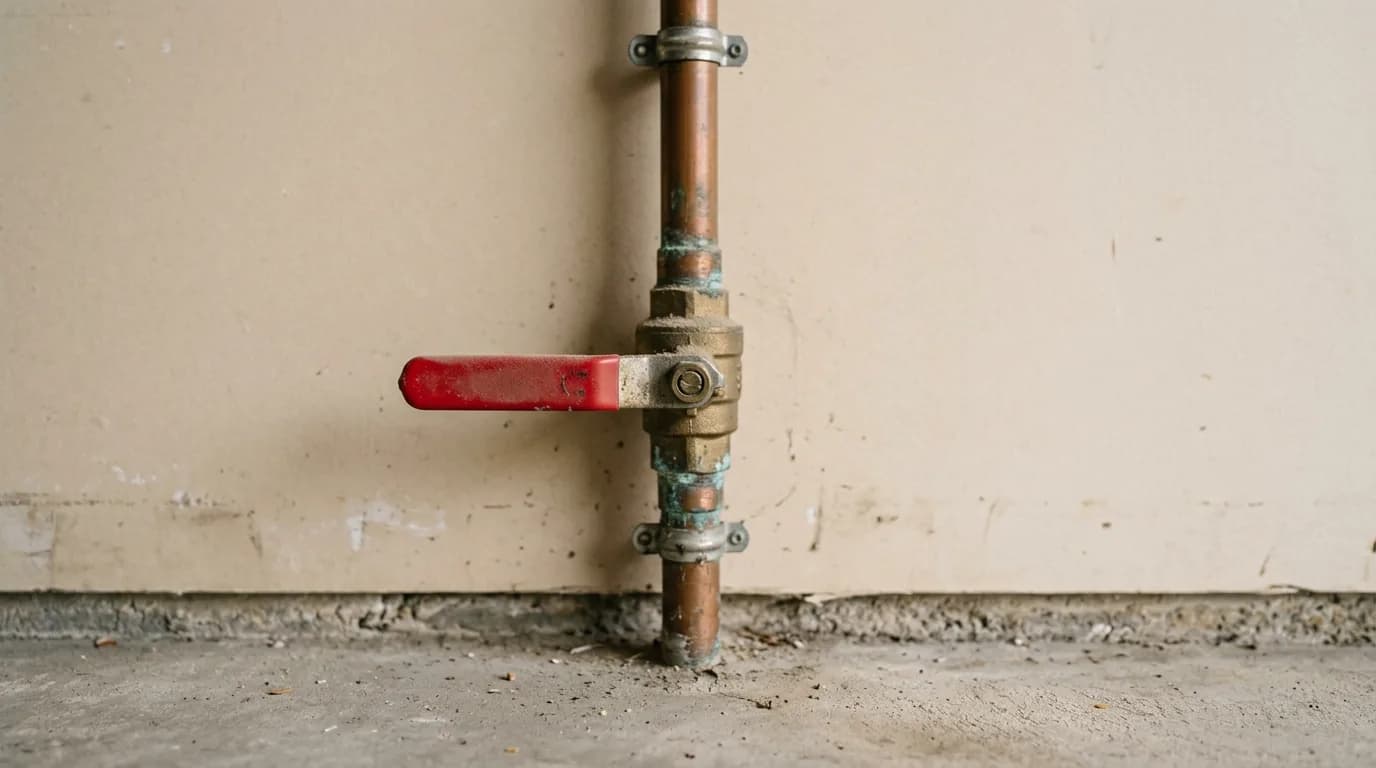
- Any category, any size: photograph before you move anything, and shut off the source at the main.
Frequently asked questions
- Is rainwater Category 1 or Category 3?
- Rain entering directly through a roof opening is Category 1 at the moment it enters. Rainwater that has run across the ground and entered the structure at grade is Category 3, because surface water picks up soil bacteria, fertilizer, animal waste, and street contaminants on the way. The distinction is where the water traveled, not that it started as rain.
- Can black water damage be cleaned instead of removed?
- Non-porous surfaces such as tile, sealed concrete, glass, and metal can be cleaned and sanitized. Porous materials — carpet, pad, drywall, insulation, particleboard, upholstered furniture — are removed and discarded, because contamination penetrates the material and cannot be reliably cleaned out of it.
- How do I know what category my water damage is?
- Start with the source. If it came from a sanitary supply line it begins as Category 1; from an appliance discharge it is Category 2; from sewage or ground-level flooding it is Category 3. Then account for time — clean water that has sat for a day or two is no longer clean. A technician confirms it on site, since the source is not always what it first appears to be.
- Does insurance treat the categories differently?
- Carriers cover based on the cause of loss rather than the category label, but category drives the scope and therefore the cost. Sewer and drain backup is excluded from most standard California policies without a specific endorsement, so many Category 3 losses have a coverage problem independent of the cleanup problem.
Not sure what you are dealing with?
That is a normal place to be, and it is not a judgment call worth guessing at. Gallagher Restoration Co. will assess the source, the spread, and the category on site — IICRC-trained, family-owned for over 15 years, CSLB #1061640, serving four Southern California counties. Call (951) 541-0034 for 24/7 dispatch with 60-minute target response, or request an assessment.